
Foundations of Battery Energy Storage Systems
Scan to join — no app, no login. You present the slides; questions pop as live polls.
Join at
…
Room code
····
0 joined
Course Introduction
Introduction to Battery Energy Storage
SUBMODULE 1 Introduction
to Battery
Energy
Storage
What is a Battery Energy Storage System (BESS)?
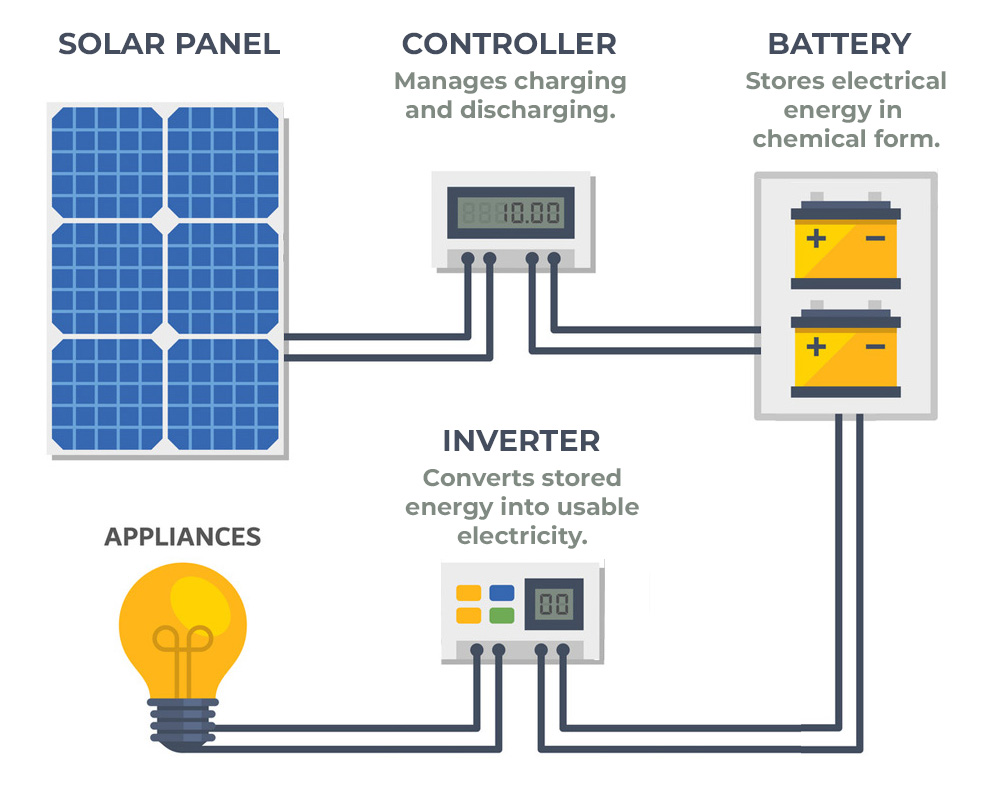
A Battery Energy Storage System (BESS) is a system that stores electricity for later use. It allows energy to be collected when demand is low and used when demand is high or during outages.
BESS consists of three main components:
Batteries – Store electrical energy in chemical form. Inverter – Converts stored energy into usable electricity. Control System – Manages charging and discharging.
Think of it like a water reservoir - it collects excess electricity and releases it when needed.
Evolution of Battery Technologies
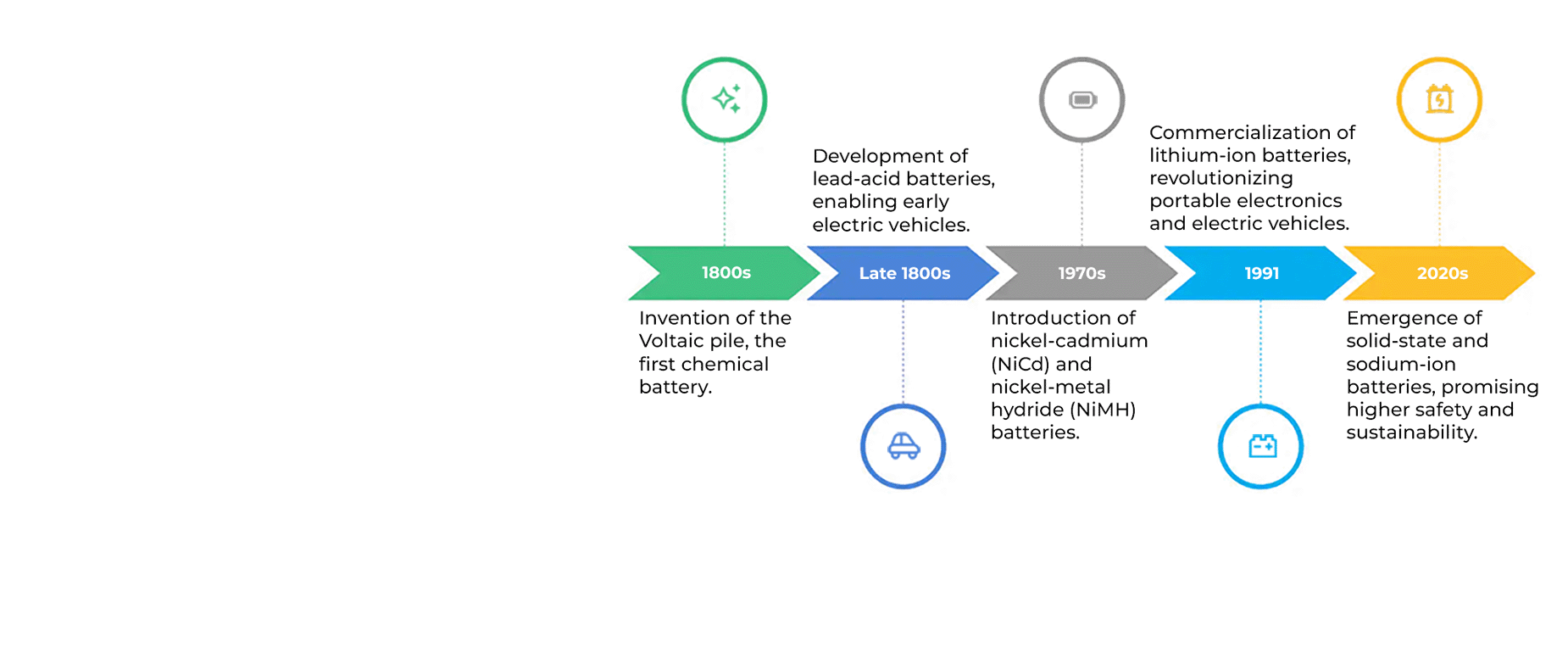
Battery technology has evolved significantly.
This evolution reflects continuous efforts to improve energy density,
lifespan, and environmental impact.
Why BESS Matters – Energy Independence and Resilience
Many communities rely on diesel generators or experience unreliable grid connections. A BESS provides energy independence and reliability by storing energy from sources like solar panels, reducing reliance on external suppliers.
With a BESS, homes and communities can:
Store solar or wind power and use it anytime. Reduce electricity bills by using stored power during peak-cost hours. Gain protection from power outages, ensuring critical systems stay running.
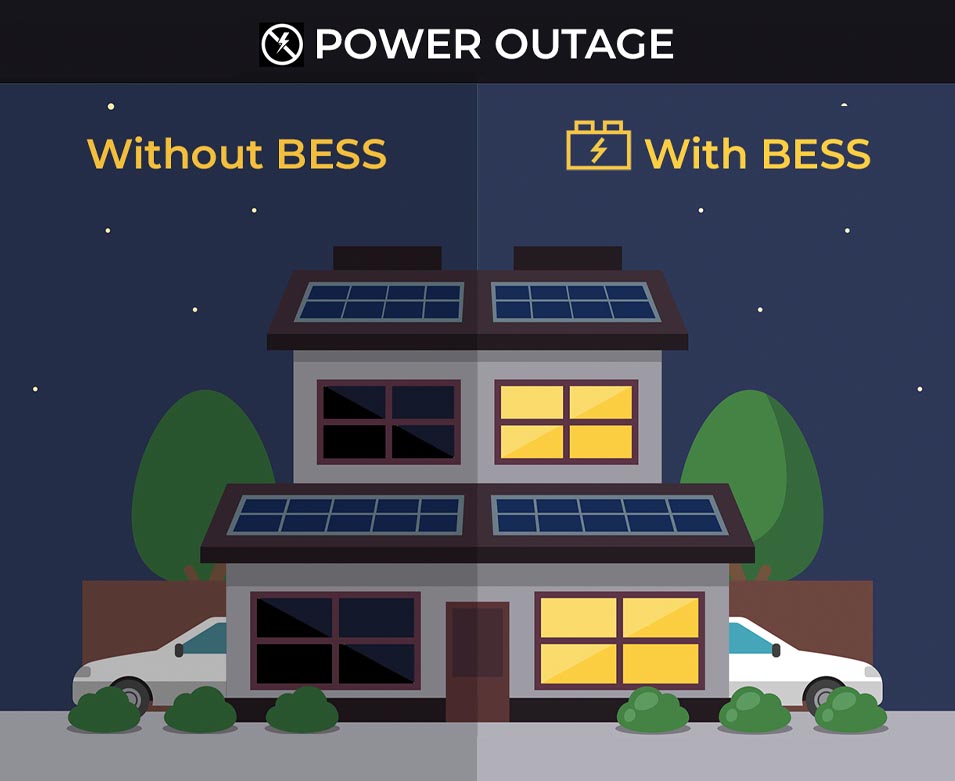
Power outages happen due to storms, equipment failure, or planned maintenance. A BESS acts as an automatic backup, keeping essential systems running without interruption.
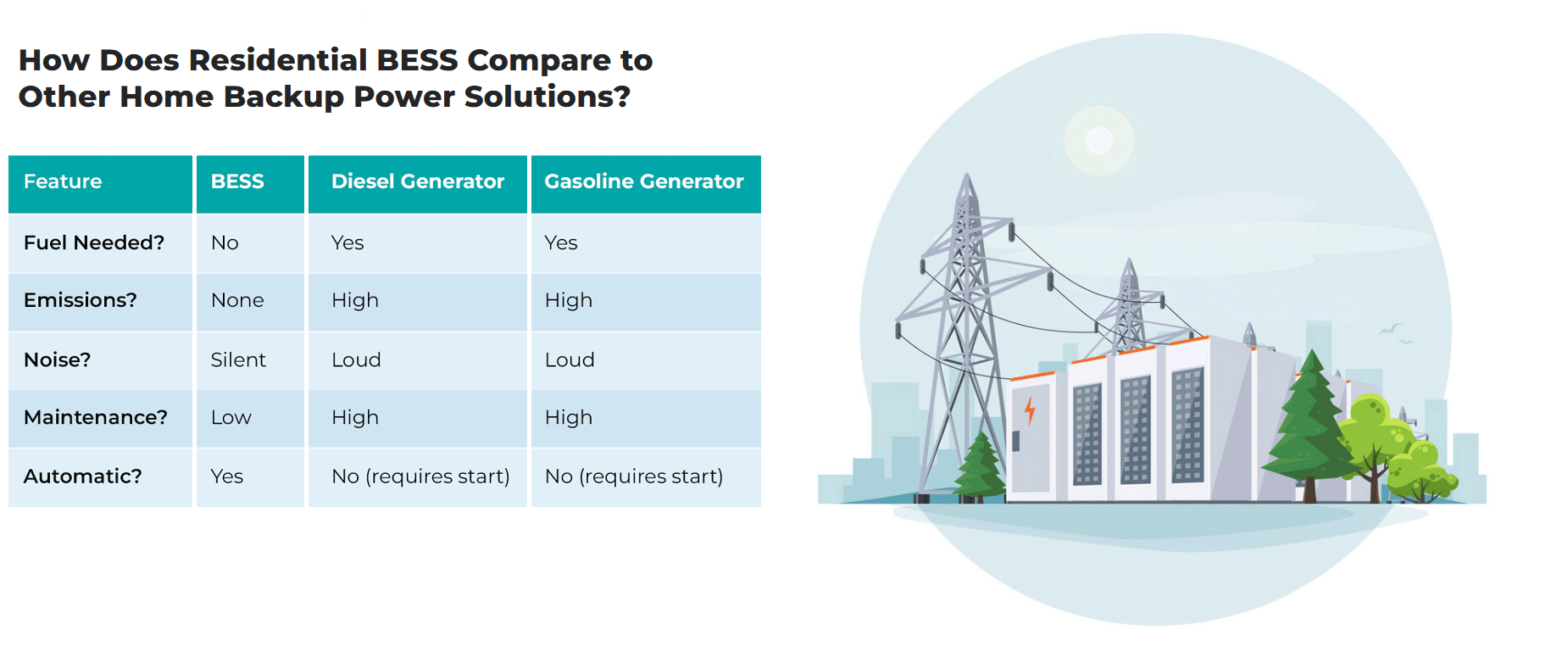
Unlike generators, a BESS is: Instant-on – No need to start it manually. Silent – No loud engine noise. Fume-free – No harmful exhaust emissions.
Fire Safety and Community Concerns
Community concerns about fire safety are real and valid—especially with large battery systems. While modern BESS are designed with built-in protections, education and trust-building are essential before installation.
What Fire Safety Looks Like Today:
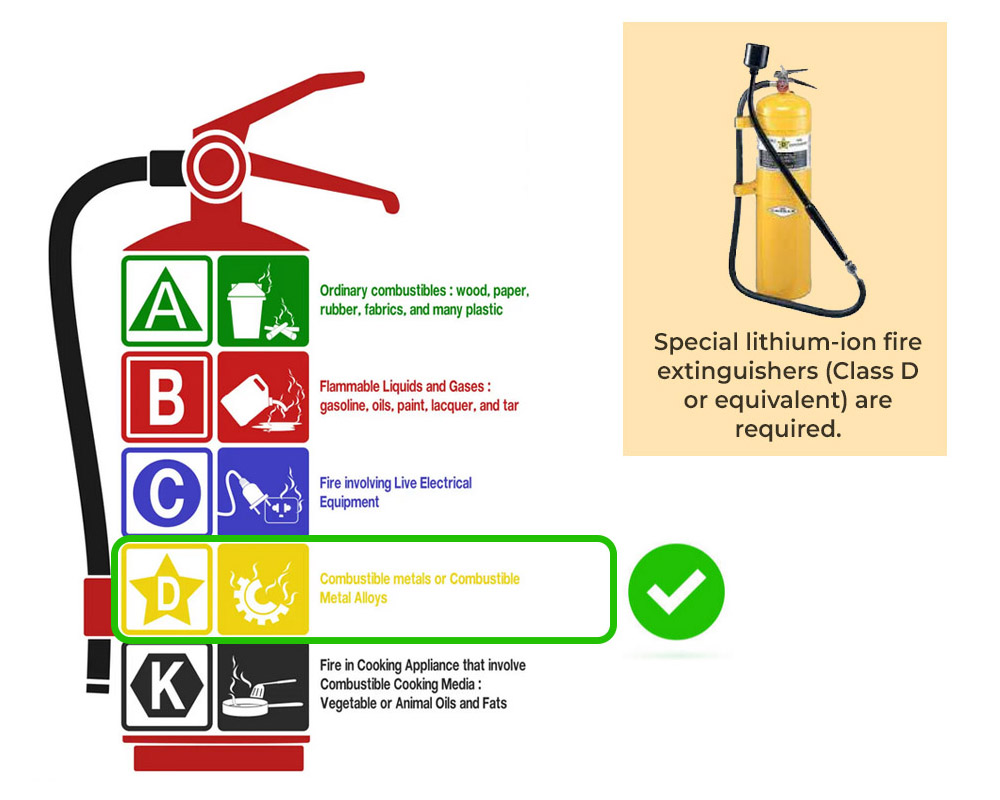
BESS systems are built to UL-9540 and other fire safety standards Battery Management Systems (BMS) automatically prevent overcharging or overheating Enclosures are fire-rated, and systems include smoke and heat detection Coordination with local fire departments is critical: ○ Special lithium-ion fire extinguishers (Class D or equivalent) ○ Training on battery fires and emergency response ○ Clearly marked emergency shutoffs and system access points
Residential Backup Power – A Safety Net for Homes
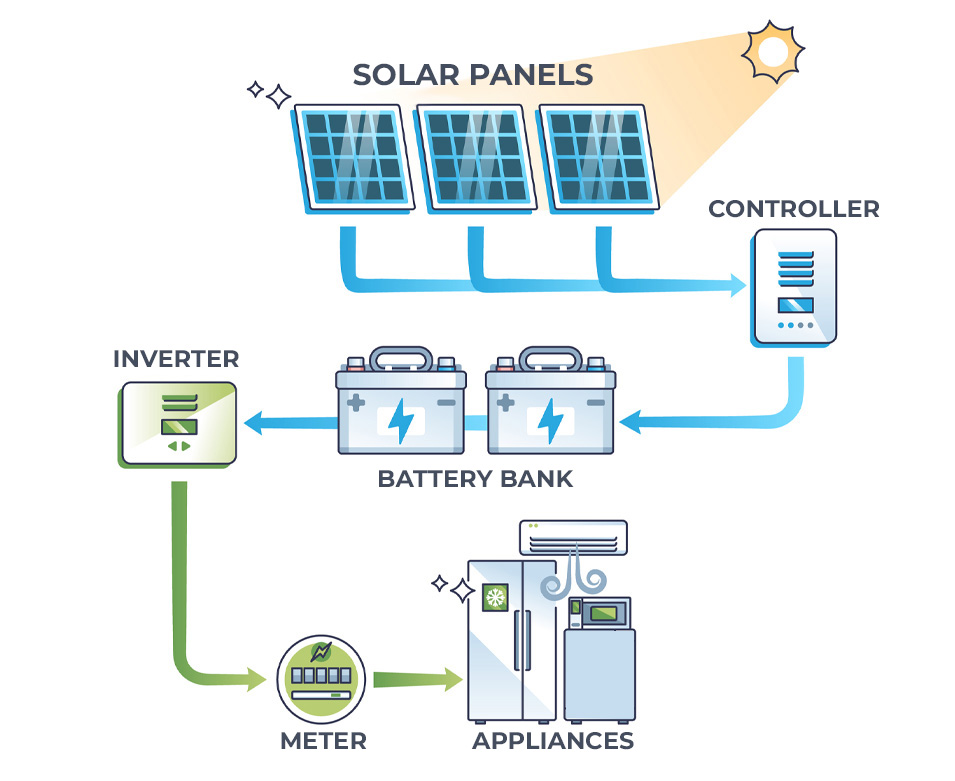
Think of a BESS as a home battery bank that provides power when the grid
is down.
How it works: Normal Operation – The battery charges when electricity is available. Grid Failure – The BESS instantly takes over, powering critical appliances. Restoration – When the grid returns, the system switches back automatically.
Homeowners can also prioritize certain devices (partial-home backup), such as: Lights Refrigerator Heating & cooling Medical equipment
Supporting the Grid – Reducing Strain on Ontario’s Power System
Ontario’s electricity demand fluctuates throughout the day. During peak hours, the grid is under heavy strain, leading to higher costs and potential blackouts.
BESS can be used as a “non-wires alternative” to help stabilize the grid:
Storing power during low-demand times
Storing power during low-demand times and discharging it during peak demand.
Reducing electricity costs through peak shaving
Reducing electricity costs through peak shaving (avoiding high-usage charges).
Participating in demand response programs
Participating in demand response programs, where Hydro One customers can get incentives for using stored energy instead of grid power.
What Are Distributed Energy Resources (DERs) and Non-Wires Alternatives?
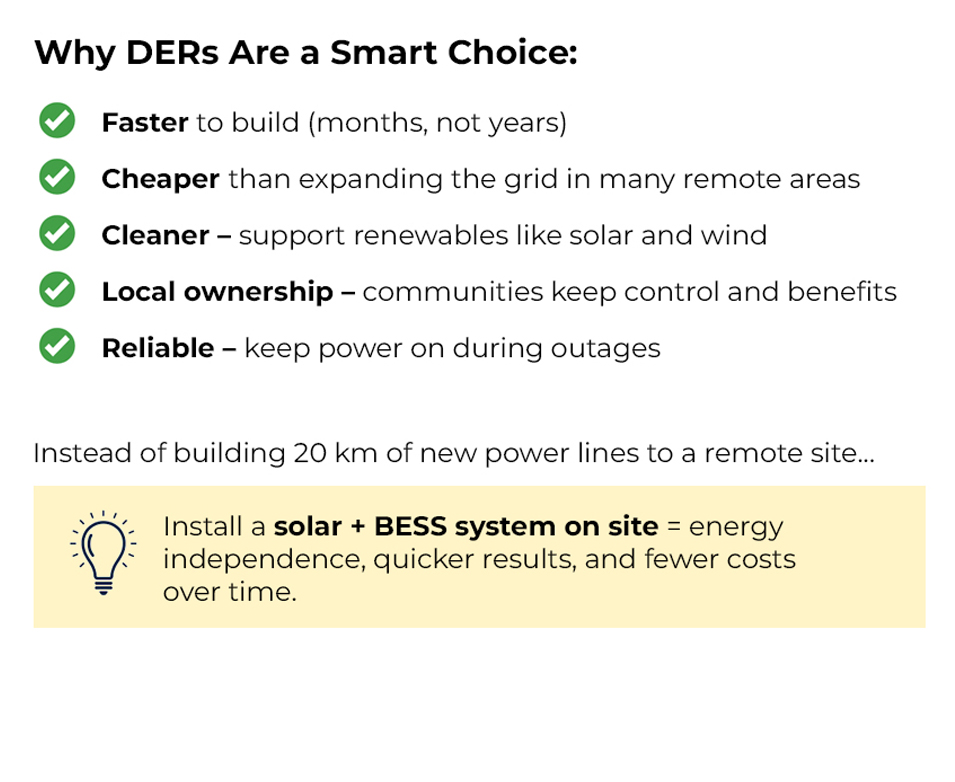
Traditional Grid Approach (Wires-Based)
To get more electricity to communities, utilities usually:
Build new transmission lines, poles, and substations Spend millions on long-distance infrastructure Take years to complete projects
Non-Wires Alternatives (NWAs)
Instead of building more poles and wires, we can use local energy
solutions like:
Battery Storage (BESS) Solar panels Energy-efficient buildings Smart energy systems
These are called Distributed Energy Resources (DERs) because they’re installed closer to where energy is used — right in homes, buildings, or communities.
Community-Scale Storage – Powering Shared Facilities
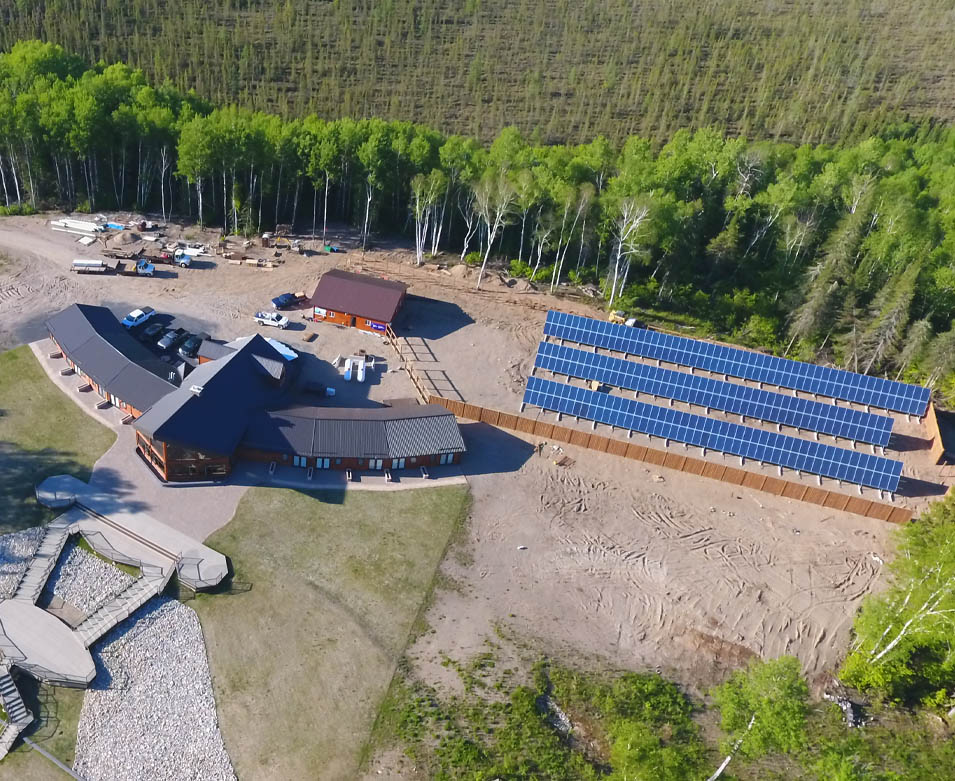
A community-scale BESS provides backup power for entire communities, powering homes and major infrastructure such as schools, medical centers, and community buildings.
Essential for remote First Nations, where power disruptions are frequent. Works with solar and wind power, ensuring clean energy is available day and night. Essential for remote First Nations, reducing reliance on expensive diesel fuel.
Example: A BESS at a community center can store solar energy during the day and provide power at night for emergency shelters or food storage.
Battery Energy Storage System (BESS) Scales and Applications
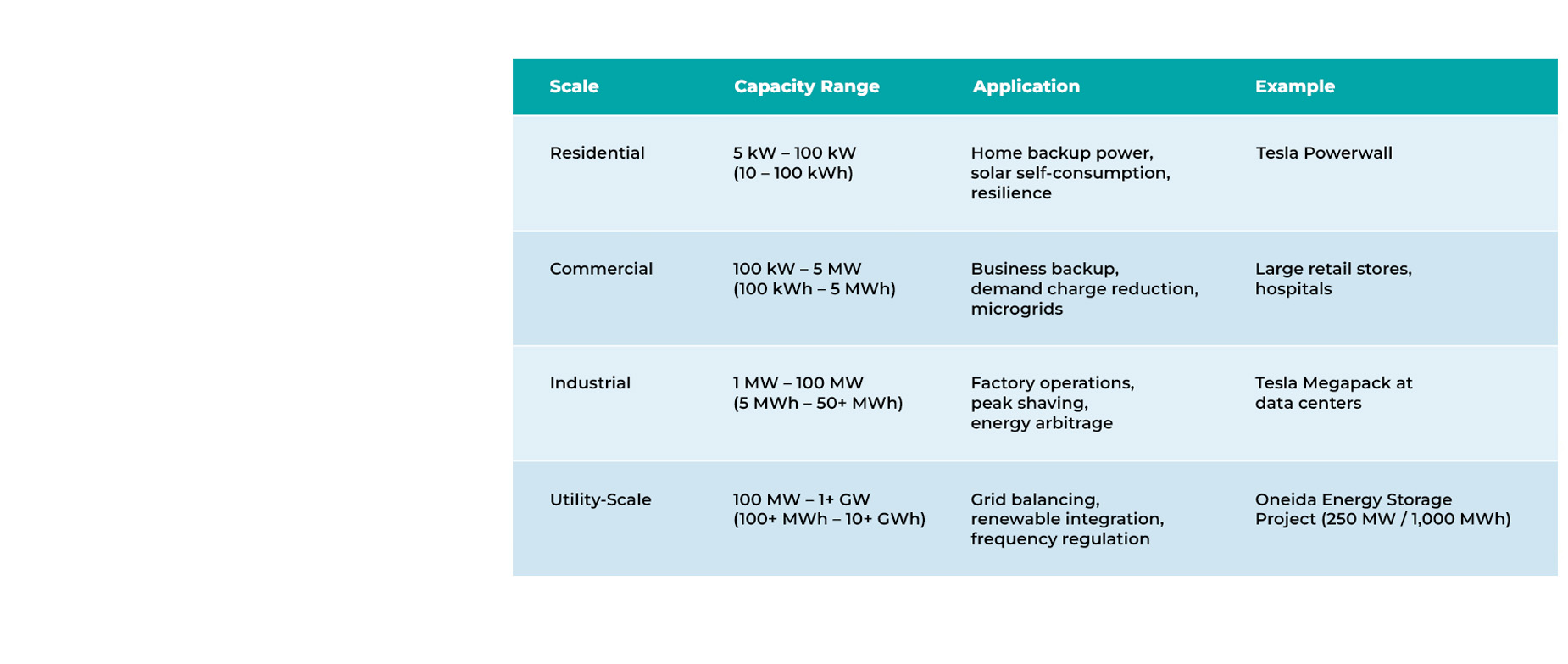
BESS systems come in different
scales, each serving
unique energy needs.
How Does Residential BESS Compare to Other Home Backup Power Solutions?
Understanding the Trade-Offs: Runtime, Cost and Expectations
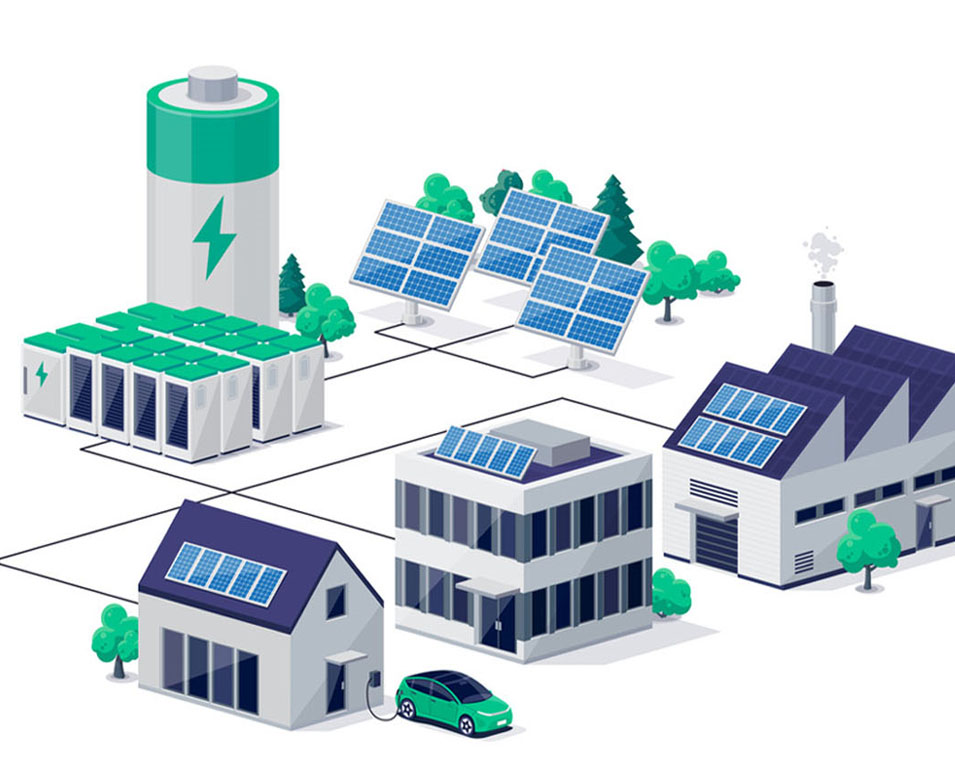
Battery Energy Storage Systems are powerful tools—but they aren’t perfect. Knowing the limitations helps communities make better decisions.
Key Considerations:
Upfront cost is higher than a fuel generator Runtime is limited—most BESS systems provide backup for hours, not days Replacing diesel fully requires combining BESS with solar, wind, or backup generators Cold weather reduces performance unless systems are in heated enclosures
Be Transparent, Be Ready:
A typical home BESS (10 kWh) lasts 6–12 hrs for essential loads Diesel generators may run for days, but require fuel, maintenance, and pollute A full feasibility study should assess your site needs and costs
Every system is different. Choosing the right solution means weighing costs, benefits, and community goals.
Cost of a BESS vs. Fuel Generator
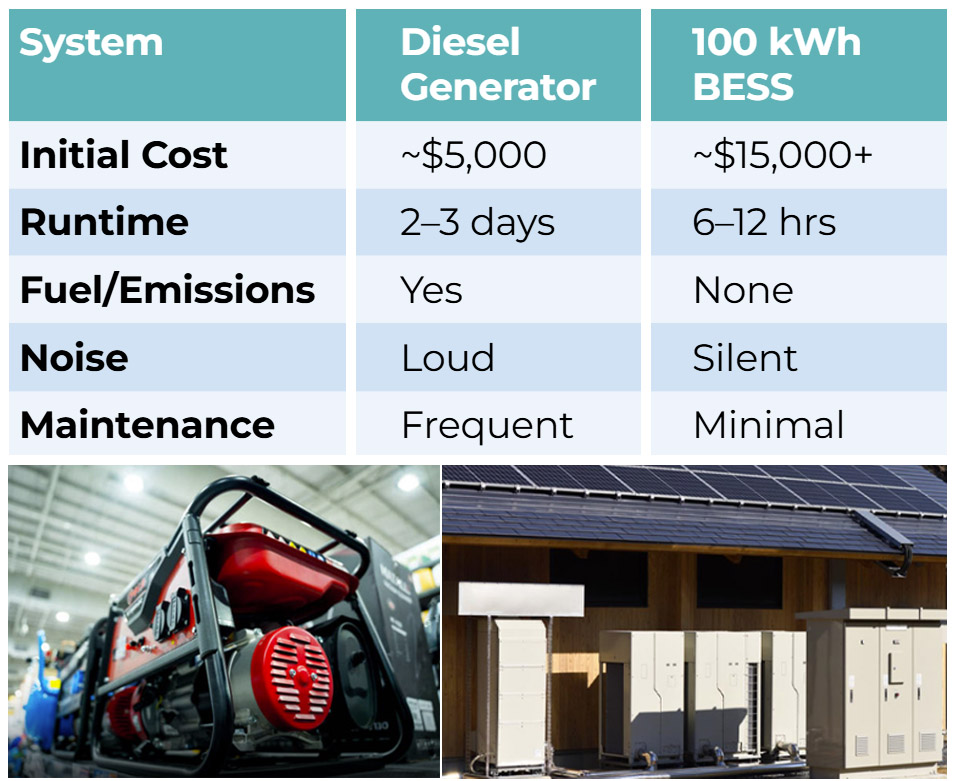
Upfront Cost vs. Long-Term Value
Compared to fuel generators, BESS has a higher upfront cost—but offers long-term benefits like silent operation, no emissions, and lower fuel/maintenance costs.
Important Caveats:
BESS systems are often designed for short-term backup (not multi-day power outages) Large-scale or longer-duration storage = higher cost Solar + BESS can reduce energy bills over time
BESS is not always the cheapest, but may be the cleanest, quietest, and most reliable for specific needs.
Why Batteries Matter – The Bigger Picture

Battery storage isn’t about convenience or cost. It’s about climate.
The Problem: Burning fossil fuels (diesel, coal, gasoline) releases carbon
dioxide (CO₂) CO₂ traps heat in the atmosphere, causing climate change First Nations communities are already seeing impacts: floods, storms, unpredictable weather
The Solution: Batteries store clean solar and wind energy When combined with renewables, BESS helps us move away from diesel Reduces air pollution and supports land and water protection
Every battery installed is a step toward cleaner skies, healthier communities, and climate leadership.
Advantages of using BESS review
What benefits can homes and communities gain from using a Battery Energy Storage System (BESS)?
Distributed Energy Resources (DERs) review
Where are Distributed Energy Resources (DERs) typically installed?
Battery Chemistry and Technologies
SUBMODULE 2 Battery
Chemistry &
Technologies
The Fundamental Principles of Battery Operation
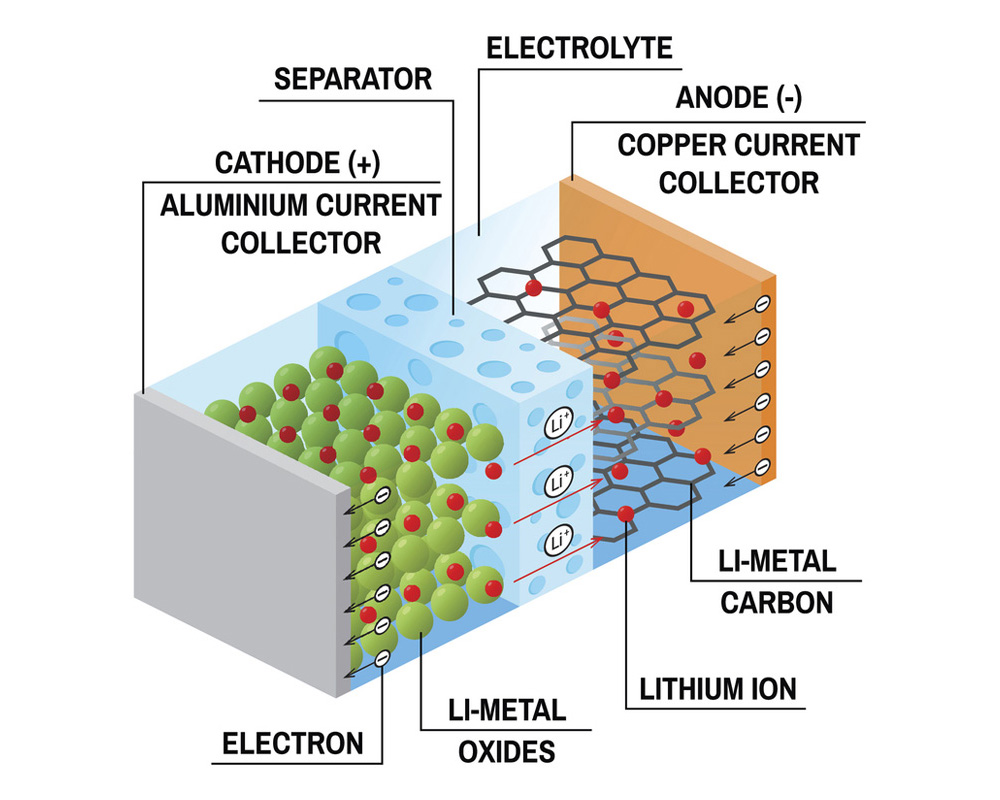
A battery stores and releases electrical energy through chemical reactions.
The basic working principle follows three key steps: Charging: Electrical energy is converted into chemical energy. Energy Storage: The battery holds the chemical energy until needed. Discharging: The stored chemical energy is converted back into electrical energy.
Core Components of a Battery: Anode (-): Where oxidation (loss of electrons) occurs. Cathode (+): Where reduction (gain of electrons) occurs. Electrolyte: Facilitates ion movement between the electrodes. Separator: Prevents short circuits while allowing ion flow.
Battery types (e.g., lithium-ion, lead-acid) differ in electrode materials and electrolyte composition.
How a Battery Generates Power – The Electrochemical Process
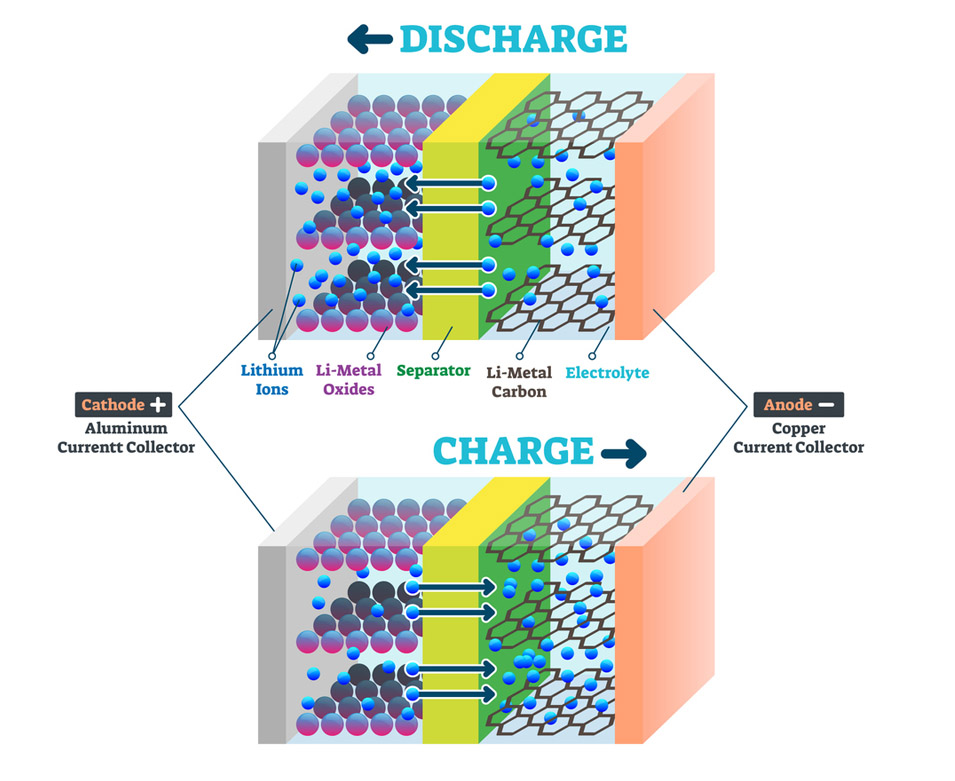
Electrons and Ions Move in Opposite Directions: When a battery discharges, electrons move through an external circuit, powering devices. Simultaneously, ions flow inside the battery through the electrolyte to balance the reaction.
Key Electrochemical Reactions (Example: Lithium-Ion Battery) Discharging: At the Anode (-): LiC₆ → Li⁺ + C₆ + e⁻ At the Cathode (+): LiCoO₂ + Li⁺ + e⁻ → Li₂CoO₂
Charging (Reverse Reaction): External electricity drives ions back to the anode, restoring chemical potential energy.
This process repeats for thousands of cycles, determining the battery's lifespan.
What Determines Battery Performance?
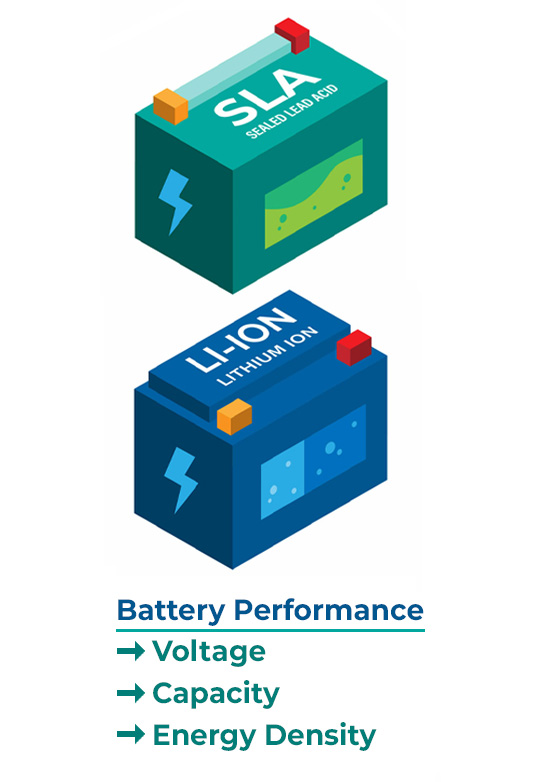
Three Key Factors:
1. Voltage (V) Determined by the electrochemical potential difference between anode and cathode. Higher voltage batteries store more energy per charge. Example: Lead-acid (2V per cell), Lithium-ion (3.7V per cell).
2. Capacity (Ah or kWh) The amount of charge a battery can hold. Higher capacity = more energy storage. Example: A 10 kWh BESS can power a home’s essentials for several hours.
3. Energy Density (Wh/kg) How much energy a battery stores per unit weight. Lithium-ion batteries are ~5x more energy-dense than lead-acid, making them more compact.
Understanding Battery Efficiency and Losses
No battery is 100% efficient—some energy is always lost as heat.
Charge/Discharge Efficiency: Lithium-ion (~95%), Lead-acid (~75%). Heat Generation: Caused by internal resistance. Cycle Life: The more cycles a battery undergoes, the more capacity it loses over time.
Comparing Battery Chemistries – Which One is Best?
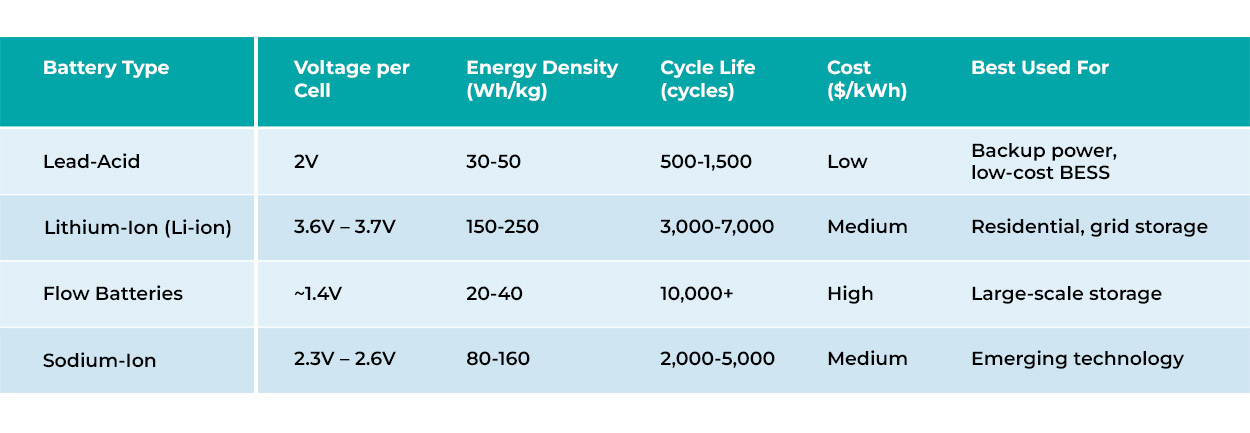
There are several battery types used in energy storage: Lithium-Ion Batteries – Most common for residential and community storage. Lead-Acid Batteries – Older technology, still used in some backup systems. Flow Batteries – Emerging technology suited for large-scale storage. Other Emerging Technologies – Advancements in sodium-ion, solid-state, and other alternatives.
Lithium-Ion Batteries – The Most Popular Choice
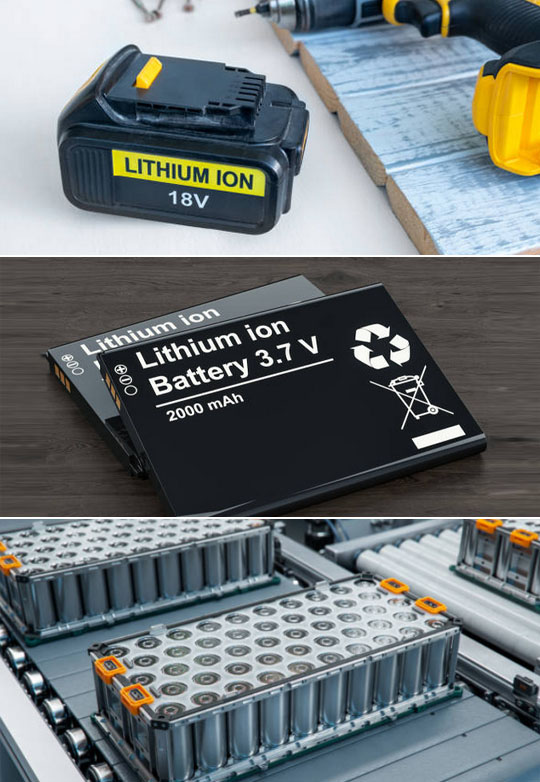
Lithium-ion (Li-ion) batteries are the dominant choice for BESS systems due to their high energy density, long lifespan, and fast charging capability. They are used in everything from smartphones to electric vehicles and home energy storage.
High energy efficiency (~90-95%) Long lifespan (10-15 years) Fast charging and discharging Compact and lightweight
Higher upfront cost than older battery types Fire risk if damaged or improperly managed
Lead-Acid Batteries – An Older, Reliable Technology
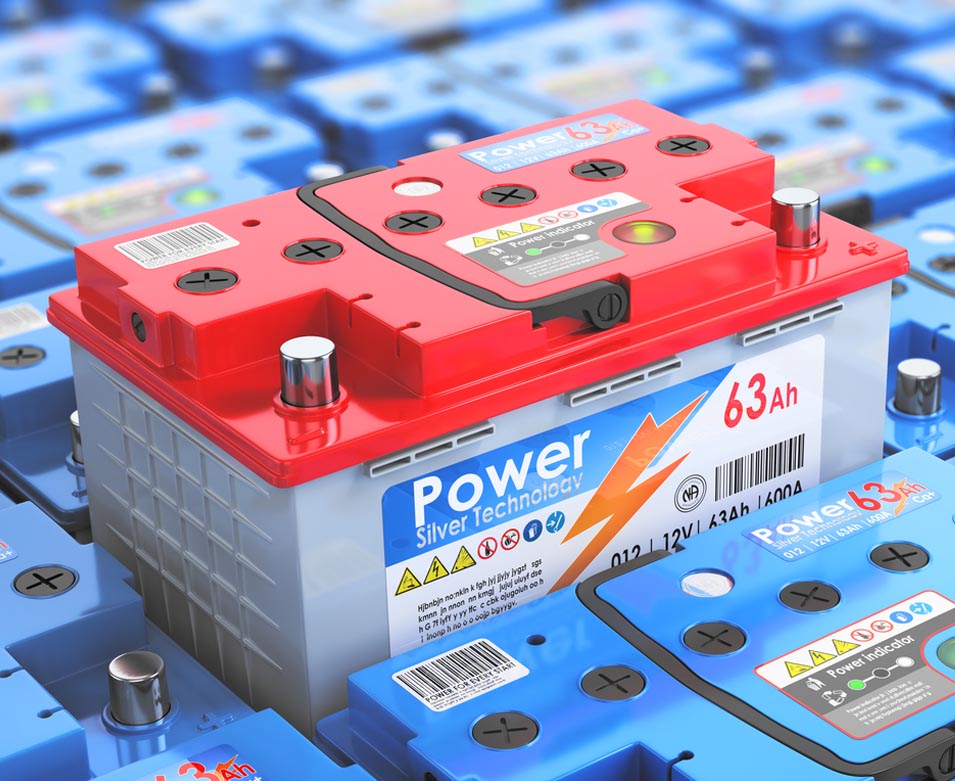
Lead-acid batteries have been used for decades in backup power systems and vehicles. While still found in some energy storage applications, they are less efficient and shorter-lived compared to lithium-ion.
Lower upfront cost Proven technology with decades of use
Short lifespan (3-7 years) Lower energy efficiency (~70-80%) Heavy and bulky Contains toxic materials (lead, sulfuric acid)
Flow Batteries – A New Contender for Large-Scale Storage
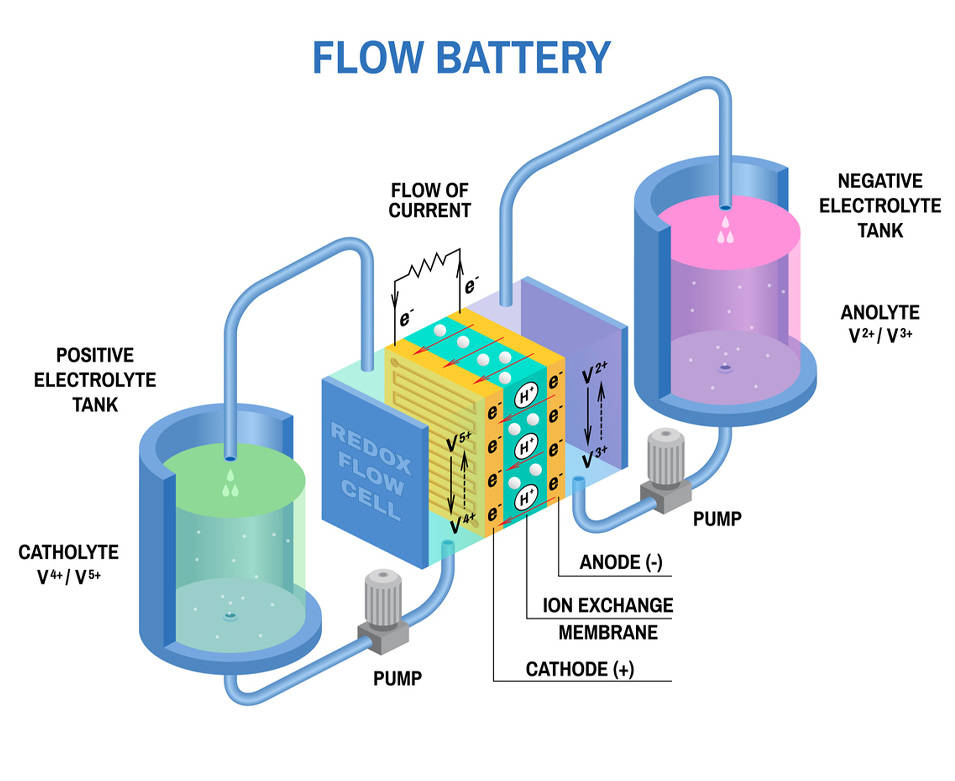
Flow batteries use liquid electrolytes stored in external tanks, allowing for longer durations of energy storage. They are ideal for community-scale projects but less common for homes due to their size and complexity.
Extremely long lifespan (20+ years) Can be fully discharged without damage Scalable for large applications
Requires large storage tanks Lower energy efficiency (~65-80%) Higher upfront costs
Emerging Battery Technologies – The Future of Storage
Research is ongoing to develop safer, cheaper, and more sustainable battery technologies. Some promising advancements include:
Sodium-Ion Batteries – Uses abundant sodium instead of lithium, making them cheaper and more sustainable. Solid-State Batteries – Eliminates liquid electrolytes, reducing fire risk and increasing energy density. Iron-Air Batteries – Stores energy through rusting and de-rusting, offering ultra-low-cost storage.
Battery Safety – Key Considerations for Home and Community Storage
Safety is a critical factor when installing and operating a BESS. While modern systems have built-in protections, improper use can pose risks.
Fire Risk
Lithium-ion batteries can overheat if damaged or poorly managed. This is why proper ventilation and fire safety measures are required.
Toxic Materials
Lead-acid batteries contain hazardous chemicals that require proper disposal.
Battery Management Systems (BMS)
All modern BESS include a BMS that prevents overcharging, overheating, and short circuits.
Environmental Impact – Are Batteries Really Green?
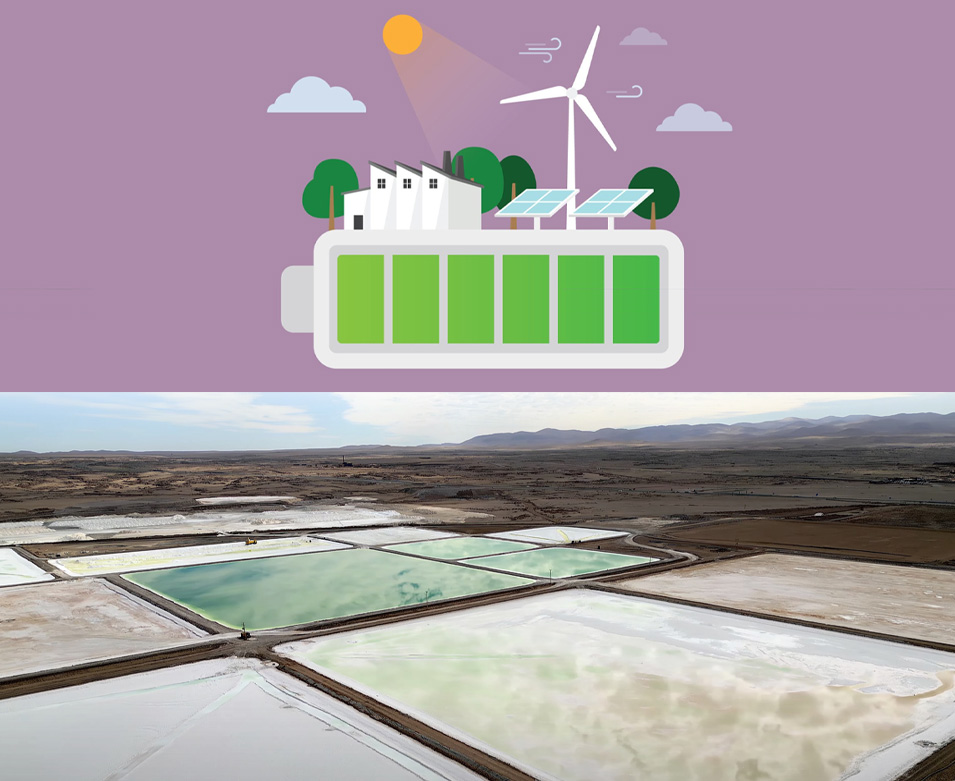
Batteries reduce fossil fuel use, but their production has environmental downsides.
Reduces reliance on diesel generators and coal power. Enables integration of renewable energy sources.
Lithium & cobalt mining – Extracting these materials has social and environmental impacts. Battery waste – If not properly recycled, old batteries can pollute soil and water.
The key is to use longer-lasting batteries and establish strong recycling programs to minimize waste.
Battery Lifespan and Degradation – How Long Do Batteries Last?
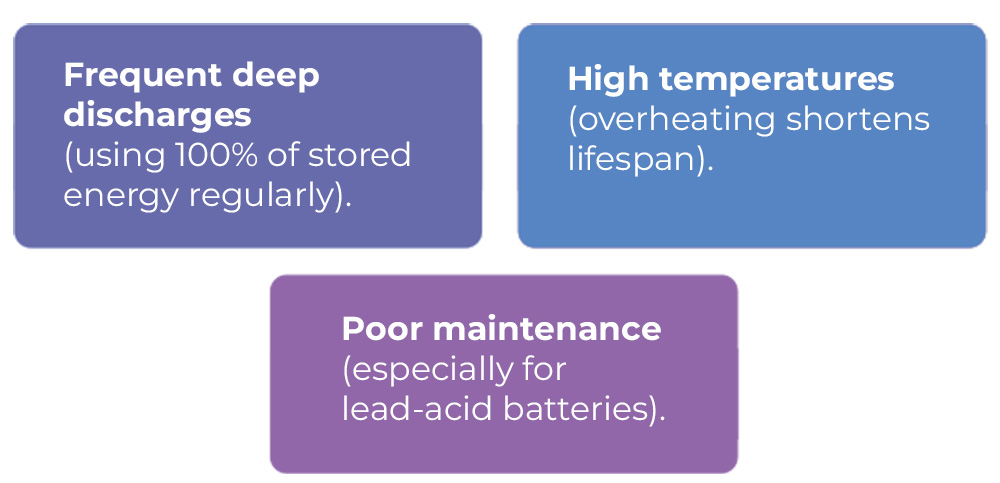
Battery lifespan depends on chemistry, usage, and maintenance. Over time, batteries lose their ability to hold a charge.
Lithium-Ion: 10-15 years (5,000-7,000 charge cycles)
Lead-Acid: 3-7 years (500-1,500 charge cycles)
Flow Batteries: 20+ years (Unlimited cycles)
Factors that accelerate battery degradation: frequent deep discharges, sustained high temperatures, overcharging, and simple age.
Battery Recycling and Disposal – What Happens at End-of-Life?
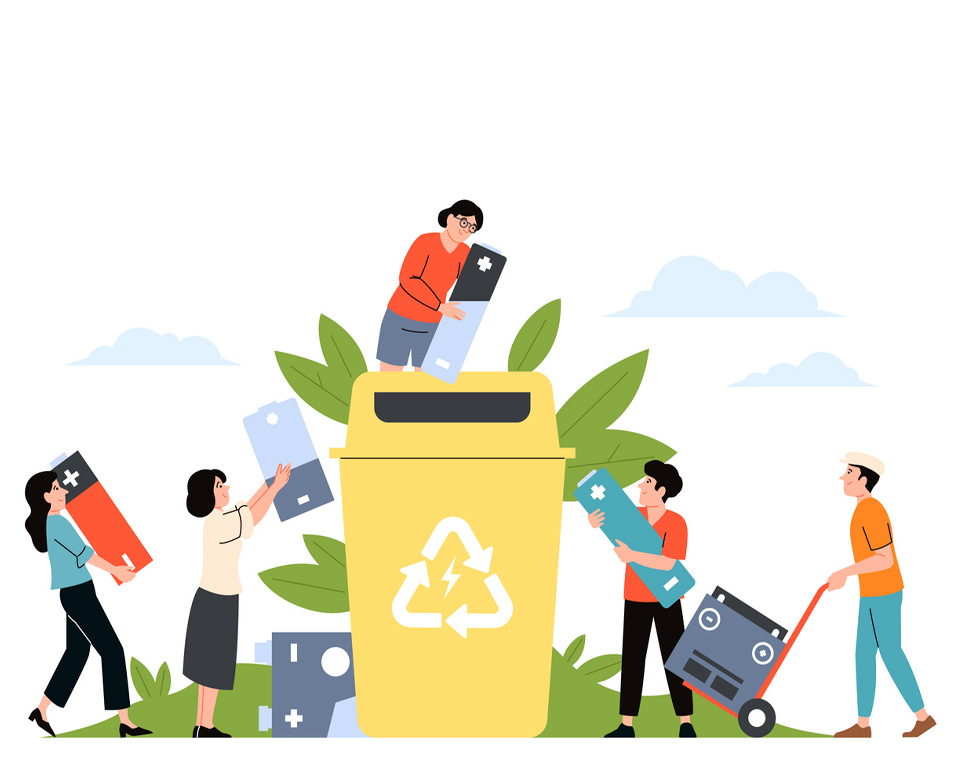
Proper disposal of batteries is essential to prevent environmental harm. Ontario has strict recycling regulations, and many manufacturers now offer take-back programs.
Lithium-Ion Batteries: Can be recycled, but processes are still improving. Key materials like lithium, cobalt, and nickel can be recovered. Lead-Acid Batteries: One of the most recycled battery types (98% of materials can be reused). Flow Batteries: Since they use liquid electrolytes, some can be refilled and reused instead of being replaced.
To properly dispose of a BESS battery, contact local recycling centers or certified disposal programs to ensure safe and legal handling.
Lithium-ion (Li-ion) batteries review
Why are Lithium-ion (Li-ion) batteries the dominant choice for Battery Energy Storage Systems (BESS)?
Environmental concerns of batteries review
What are some environmental concerns associated with battery production?
Market Trends and Policy Landscape

SUBMODULE 3 Market
Trends &
Policy
Landscape
Introduction to Market Trends and Policy Landscape
Understanding the market trends and policy landscape is crucial for adopting Battery Energy Storage Systems (BESS) in Ontario and Canada. This section explores federal and provincial incentives, advancements in battery technologies, and the evolution of batteries over time.
Federal Incentives for BESS in Canada
The Canadian government offers various incentives to promote BESS adoption. The following are currently open as of March 2025:
Investment Tax Credits (ITC): Allows BESS users to feed excess energy back to the grid, offsetting future electricity costs. SaveOnEnergy Home Renovation Savings Program: Provides up to $5000 for the installation of a home BESS
Ontario's Provincial Incentives for BESS
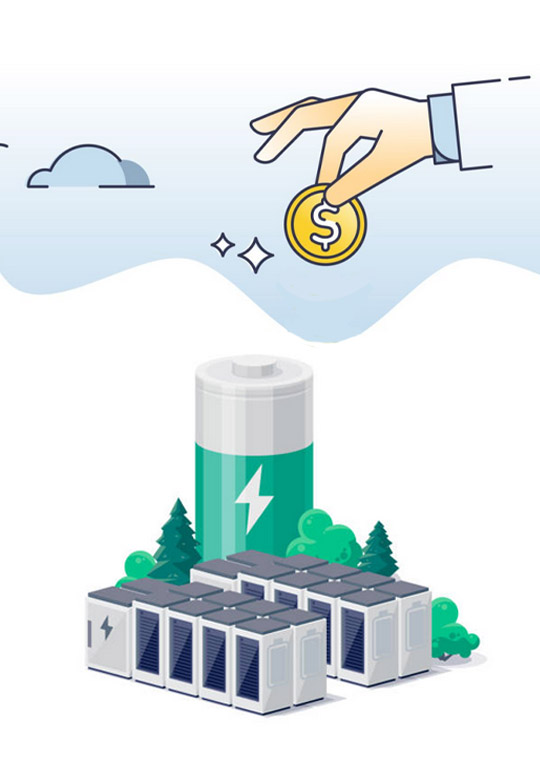
Ontario supports BESS adoption through: Net Metering Programs: Allows BESS users to feed excess energy back to the grid, offsetting future electricity costs. Ontario Energy Board (OEB) Initiatives: Implements policies that encourage energy storage integration into the provincial grid. Independent Electricity System Operator (IESO) Programs: Offers contracts and incentives for energy storage projects that enhance grid reliability.
Trends in Grid Services
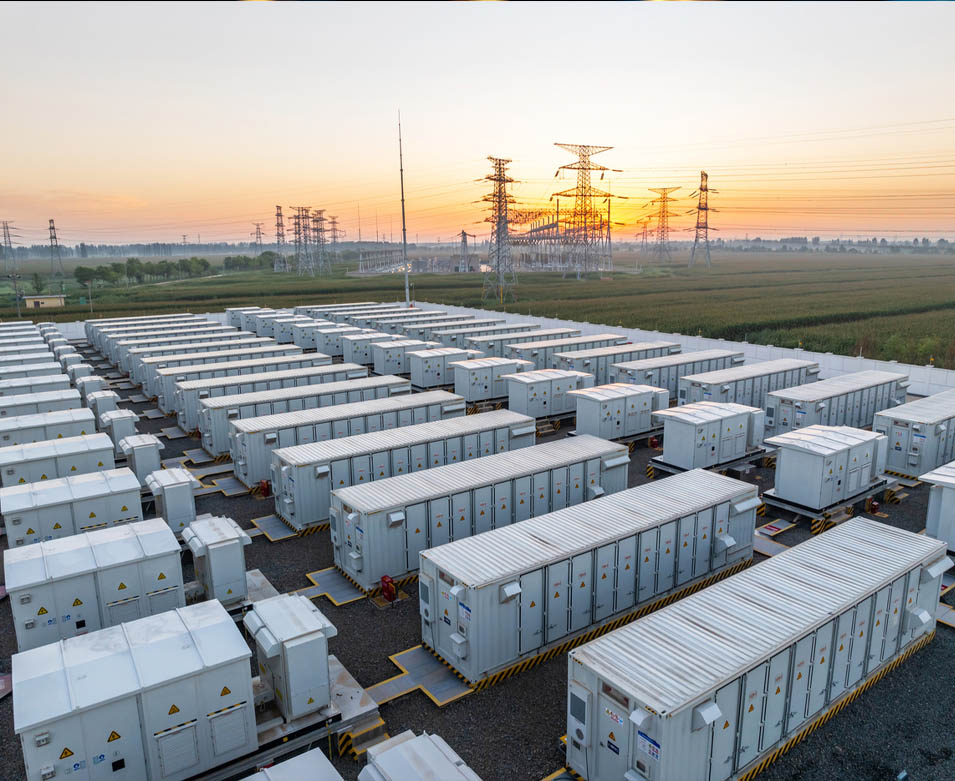
The integration of BESS into grid services is transforming energy management:
Frequency Regulation: BESS helps maintain grid stability by balancing supply and demand fluctuations. Peak Shaving: Reduces the need for additional power plants by supplying stored energy during peak demand periods. Renewable Integration: Facilitates the incorporation of intermittent renewable energy sources like wind and solar into the grid.
These applications enhance grid reliability and efficiency.
Decentralized Energy Trends
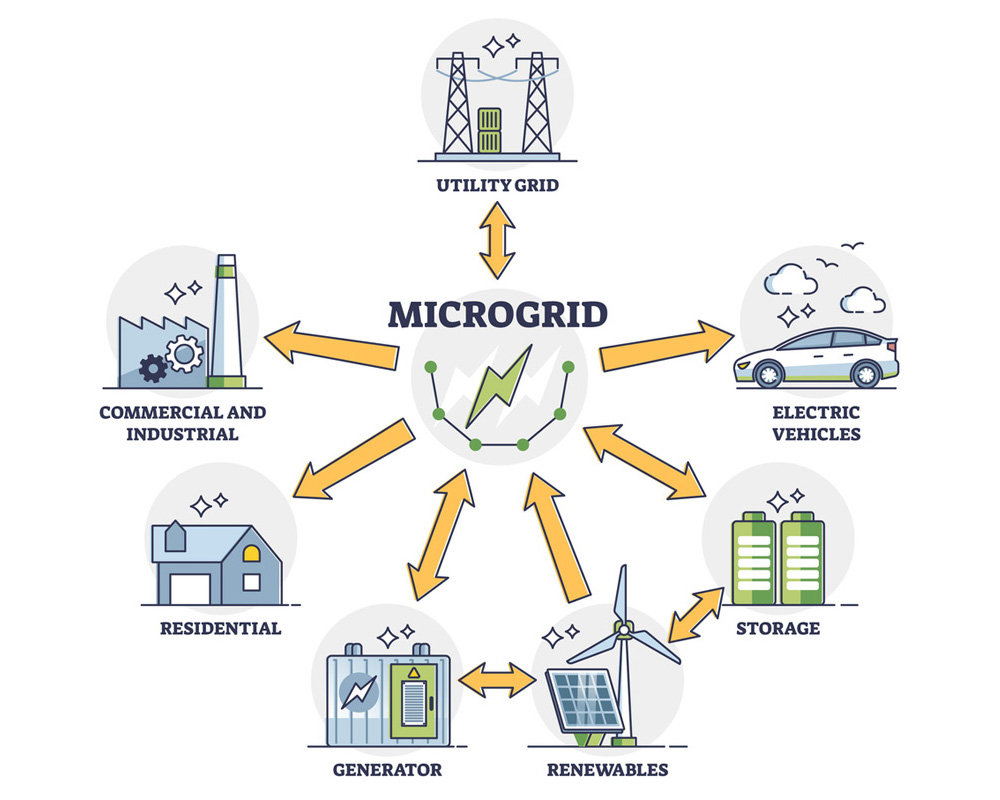
Decentralized energy systems, supported by BESS, are gaining traction:
Microgrids: Localized grids that can operate independently, enhancing energy security for communities. Prosumer Models: Consumers who also produce energy, using BESS to store and manage their electricity. Community Energy Storage: Shared BESS installations that benefit multiple households or businesses.
These trends empower communities to have greater control over their energy usage.
BESS as a Non-Wires Alternative (NWA)

Utilities are increasingly evaluating Battery Energy Storage Systems (BESS) as a non-wires alternative (NWA) to traditional poles and wires infrastructure, particularly for improving grid reliability in First Nation communities.
Key Benefits of BESS as NWA:
Enhancing Grid Reliability
Provides backup power and stabilizes supply in remote communities where traditional grid expansion is costly.
Reducing Infrastructure Costs
Avoids expensive transmission and distribution upgrades by deploying localized energy storage.
Enabling Renewable Integration
Supports solar and wind energy use, reducing dependence on diesel generators in off-grid areas.
Faster Deployment
BESS can be installed quicker than new power lines, ensuring communities receive reliable power sooner.
Supporting Energy Independence
Empowers First Nation communities with more control over their energy supply and resilience strategies.
Benefits of Battery Energy Storage Systems review
What are the key benefits of using Battery Energy Storage Systems (BESS) as a non-wires alternative (NWA) for First Nation communities?
The Rise of Virtual Power Plants (VPPs)
A Virtual Power Plant (VPP) connects multiple BESS systems to operate as a single power plant. This allows communities to sell stored energy back to the grid while ensuring their own energy security.
Key Benefits: Grid stability: Helps utilities balance electricity supply and demand. New revenue stream: Communities get paid for contributing energy to the grid. Decentralized energy future: Reduces reliance on large, centralized power plants.
For Indigenous communities with multiple homes using BESS, VPPs provide economic opportunities while strengthening local energy independence.