Solar Large FIT at Rainy River
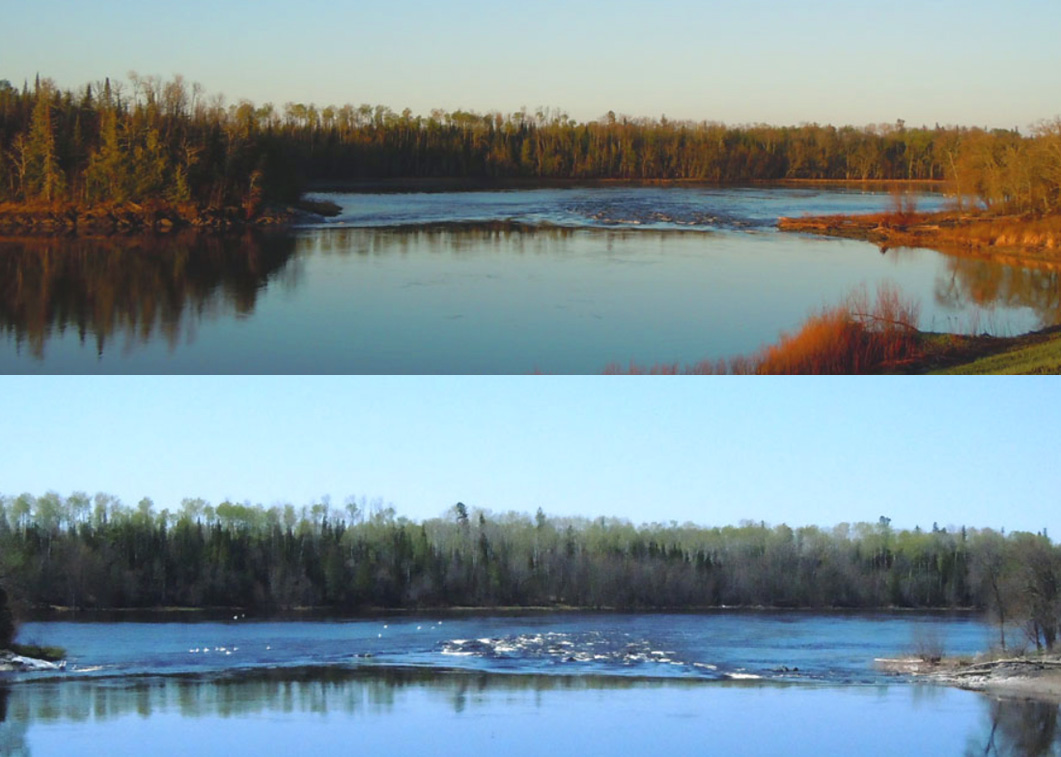
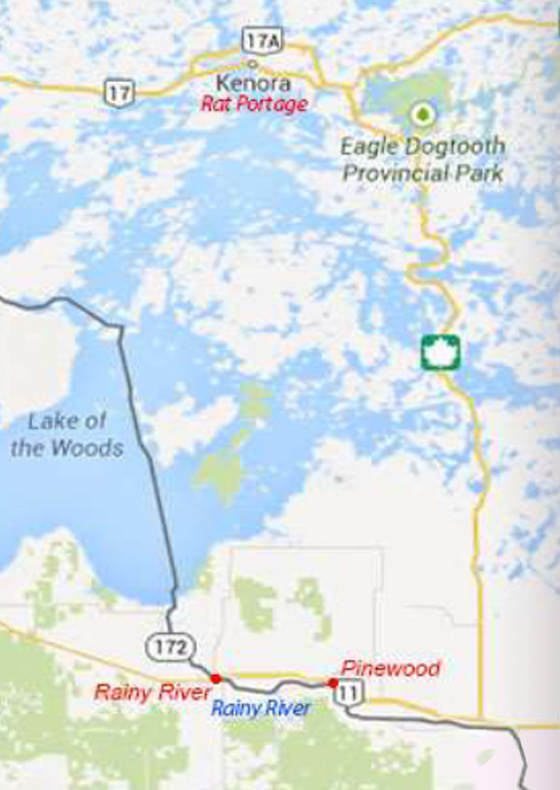
Rainy River First Nations is located in the Rainy River District in Northwestern Ontario, approximately 40km from Fort Frances, with a total population of 1,060.
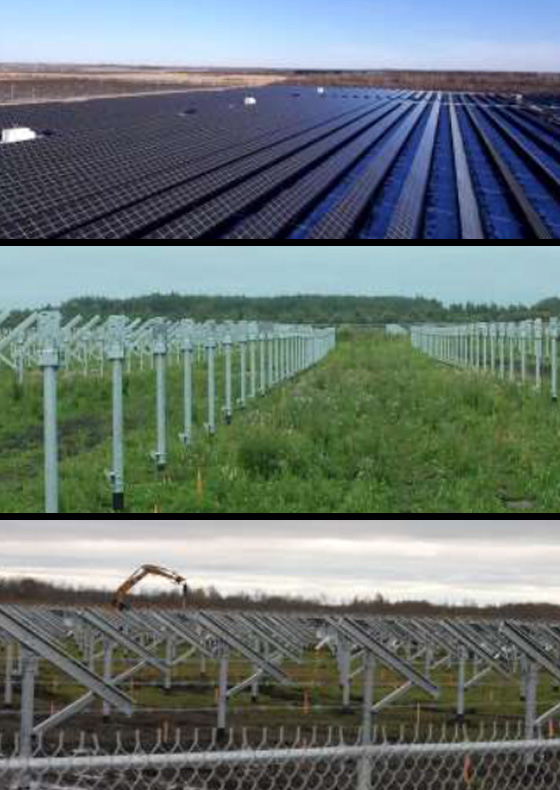
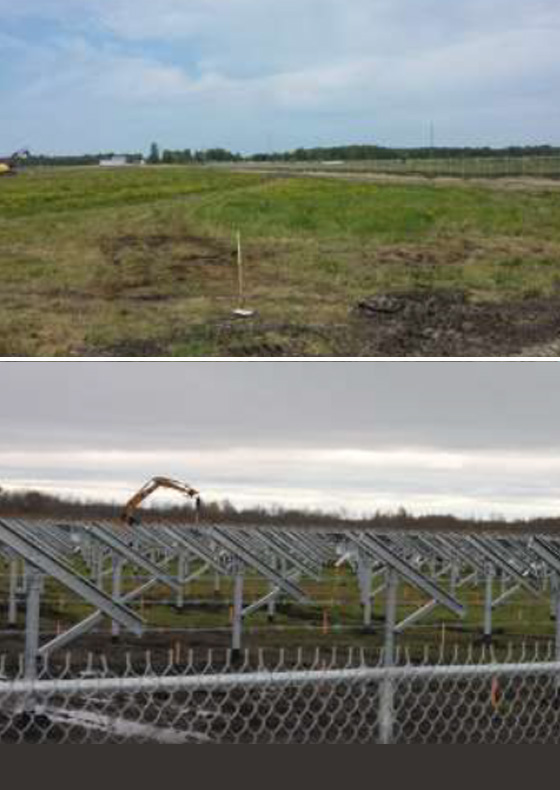
In March of 2010, signed an MOU with the Ontario Solar PV Fields for the purchase of three (3) solar projects located in the Rainy River Area, about 20 km west of the community.
Project highlights:
Sites cover approximately 261 acres of land; Total of 25 MW capacity for all three projects; Approximately 135,000 solar panels were used to complete the sites; These projects came with a 20-year Feed-in-Tariff contract with the Province of Ontario.
Note: This case study is adapted from the presentation by Chief Jim Leonard at the Aboriginal Relief Forum.
What were the steps in developing this project?
The steps were as follows-
1. Before moving forward with our project, we first had to determine the capacity of the current system;
2. Securing the right partners;
3. Determining the right project site;
4. Community Consultation
5. Project development, which involved
Financing Engineering Procurement Construction
Which was the closest location for grid connection?
The closest location that the project could connect was to the Barwick Transformer Station.
Prior to its upgrade, the BTS would not have been able to accommodate the energy generated from the RR Solar sites.
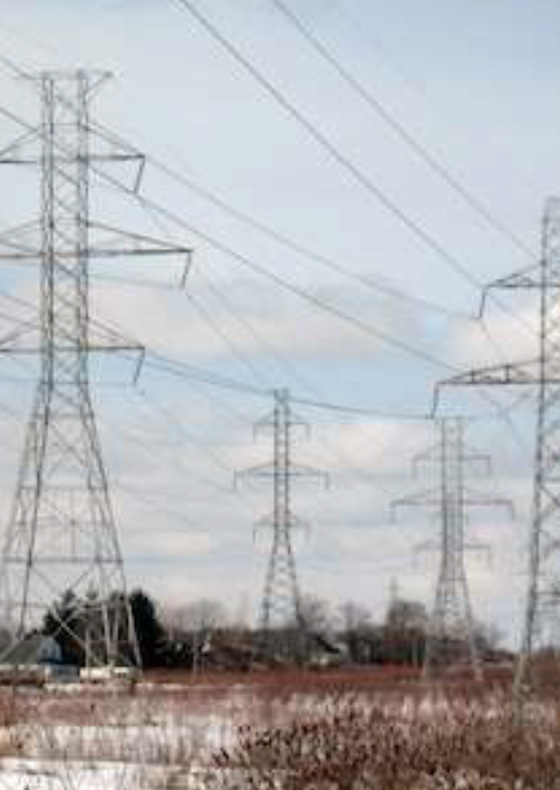
Hydro One performed the necessary upgrades, and a 20 km feeder line connects the site to the grid.
What sites were chosen for the project?
The 3 locations chosen were:
DAVE REMPEL PROPERTY – 10 MW
VANSWOLF PROJECT SITE – 5 MW
MORLEY PROJECT SITE – 10 MW
Were community members informed and consulted?
During the OPA’s FIT 2 application announcement, we applied for a 750 Kw ground mount solar farm, and our consultant for this project also introduced us to a developer looking for partners for the FIT2 program.
The developer wasn’t looking for just any partner, or for that matter, any First Nation. They were looking for a partner who had previous experience in solar development and had financial strength and technical capacity.
Our partner had applied for 43 projects under FIT2, with many projects located in the Greater Toronto Area and Southern Ontario.
How many people were employed during construction?
There were about 180 people on site during peak construction, which totalled $1.6 million in wages.
What were the benefits to the community?
The project benefits the community in a number of ways.
It ensures the financial stability of the First Nation to move towards the goal of economic self-sufficiency;
It provided for employment and training opportunities for community members/residents on FN;
It enhanced services to community members through access to additional resources to offset program costs.
Further reading
About the community (from the Rainy River website):
"Our community, also known as Manitou Rapids, has a long and storied history shared by our ancestors who lived upon the shores of the Rainy River from the mouth of Rainy Lake to the east, to the mouth of Lake of the Woods to the west."
Get more information about the community here: http://rainyriverfirstnations.com/
Big solar farm coming to Pinewood area | Rainy River Record
http://www.rainyriverrecord.com/node/18158