
Quick pre-check
A quick baseline of what you already know — no grade, no pressure. Not sure about a question? It’s okay to leave it blank.
💾 Sign in first so your results save to the dashboard.
Community Energy Planning and Economic Opportunities
Shaping the Future of Indigenous Energy

SUBMODULE 1 Shaping the
Future of
Indigenous Energy
Introduction to Community Energy Planning

Communities across Turtle Island are increasingly leading the transition to sustainable energy, integrating traditional knowledge with modern technologies to achieve energy sovereignty and economic development.
Key Focus Areas:
Energy Independence: Reducing reliance on external energy sources. Economic Development: Creating jobs and revenue through energy projects. Environmental Stewardship: Aligning projects with cultural values and environmental protection.
Integrating Battery Storage into Community Energy Goals

Battery Energy Storage Systems (BESS) play a pivotal role in achieving community energy objectives by:
Enhancing Energy Security: Providing reliable power, especially in remote areas. Facilitating Renewable Integration: Storing energy from intermittent sources like solar and wind. Reducing Diesel Dependence: Offering cleaner alternatives to diesel generators.
Ownership Models for Community Scale BESS
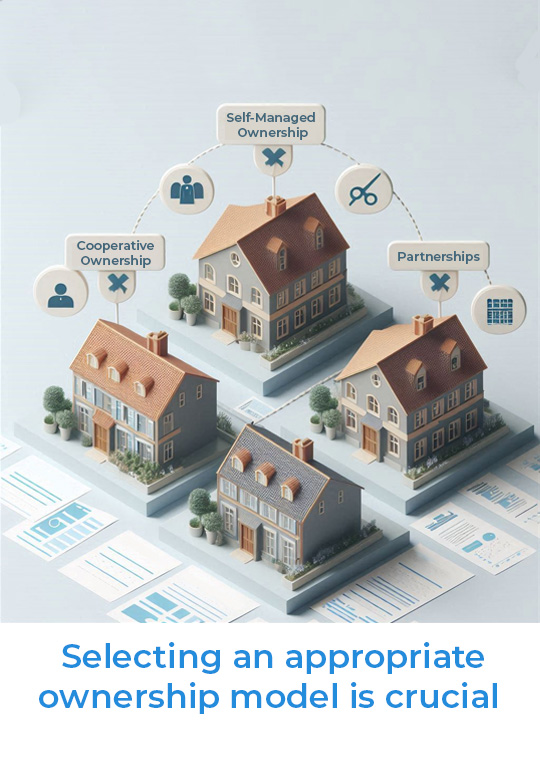
Selecting an appropriate ownership model is crucial for aligning energy projects with community values and goals.
1. Self-Managed Ownership
The community owns and operates the system itself. This provides complete control over operations, and all revenue stays in the community — but the community also carries the maintenance and financial responsibility.
2. Cooperative Ownership
Community members buy shares in the project. Decision-making and returns are shared among the members, spreading both the cost and the benefit across the community.
3. Partnerships
The community partners with an experienced developer or utility. This means shared risk, shared revenue, and access to outside expertise the community may not have in-house.
4. Joint Ventures
A formal jointly-owned business between the First Nation and a partner company. Ownership, profits, and governance are shared under an agreed structure.
Building Partnerships and Networks
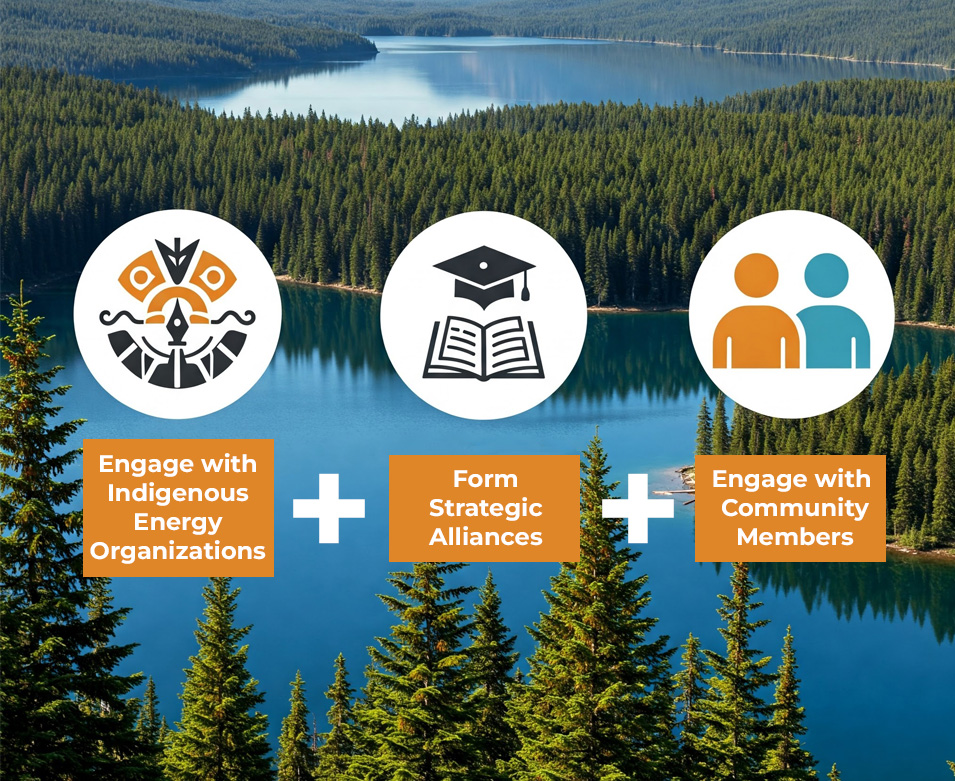
Collaborative efforts enhance the success and sustainability of energy projects.
Strategies: Engage with Indigenous Energy Organizations: Participate in networks like Indigenous Clean Energy to share knowledge and resources. Form Strategic Alliances: Partner with academic institutions, NGOs, and industry experts for technical support. Community Engagement: Involve community members in planning and decision-making processes to ensure projects meet local needs.
Steps to Create a Community-Driven Energy Roadmap
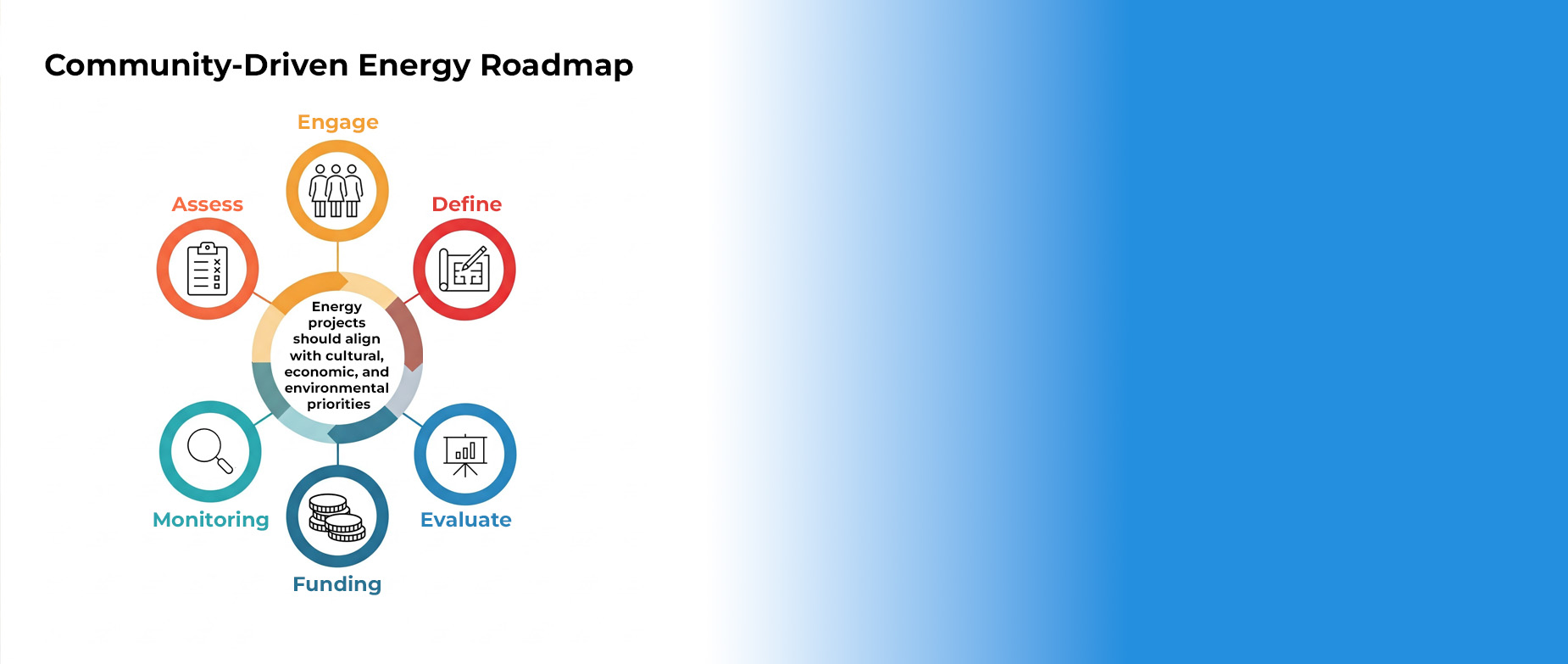
A Community Energy Roadmap helps guide Communities in planning sustainable, long-term energy projects.
Key Steps to Develop a Roadmap: 1. Assess Current Energy Use – Conduct an energy audit to understand demand. 2. Engage the Community – Gather input from leadership, businesses, and residents. 3. Define Long-Term Energy Goals – Focus on reliability, cost savings, and sovereignty. 4. Evaluate Technology Options – Choose between BESS, solar, hydrogen, or hybrid systems. 5. Secure Funding & Partnerships – Apply for grants, government programs, and utility collaborations. 6. Implement & Monitor Progress – Install systems and use AI for optimization.
A structured roadmap ensures that energy projects align with cultural, economic, and environmental priorities.
Ownership model review
Which ownership model provides complete control over operations and revenues but requires substantial expertise and financial investment?
Turning Energy into Opportunity

SUBMODULE 2 Turning Energy
into Opportunity
Introduction – How Battery Storage Creates Economic Opportunities
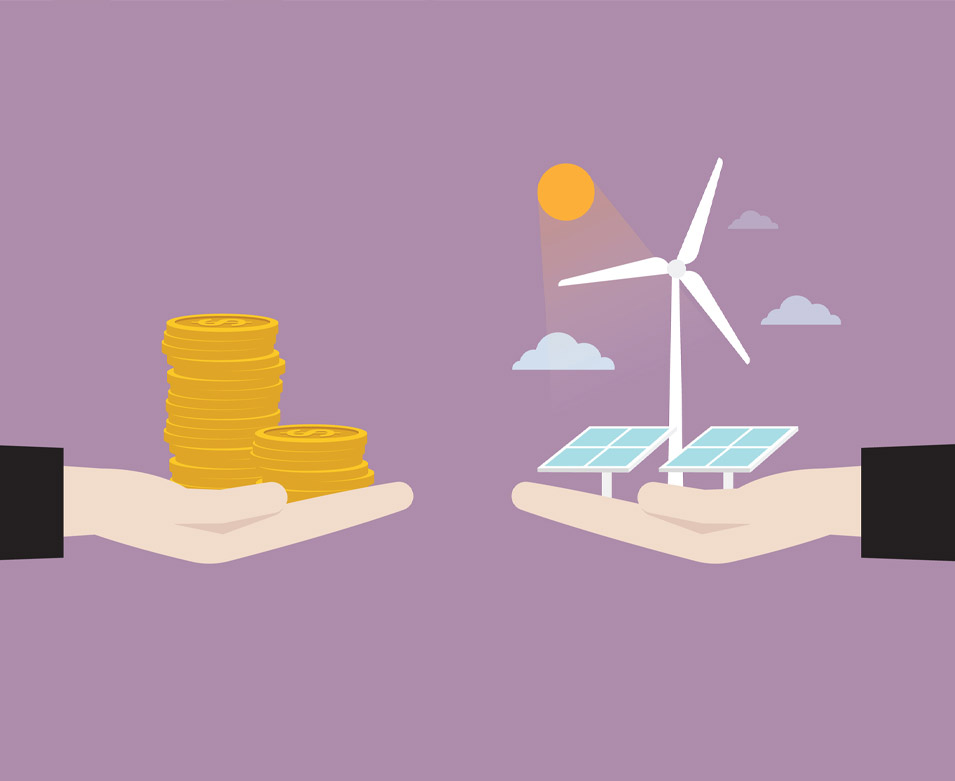
Battery Energy Storage Systems (BESS) can be more than just a backup power source—they can become economic assets that generate revenue for communities. By participating in energy markets, utility programs, and workforce development initiatives, communities can turn energy independence into long-term economic benefits.
Key Focus Areas:
Generating income through demand response, energy sales, and peak shaving. Partnering with utilities and energy aggregators to leverage storage assets. Developing local jobs and workforce training in clean energy industries.
Making Money with Demand Response Programs

Demand response (DR) programs allow communities to earn money by reducing energy usage during peak demand times, helping utilities balance supply and prevent grid overload.
How It Works:
The utility signals the need for reduced energy use. The BESS discharges stored energy instead of drawing from the grid. The community gets paid for participating in the program.
Example: In Ontario, the Independent Electricity System Operator (IESO) offers demand response incentives, allowing large-scale energy users (including Indigenous communities) to get paid for adjusting their electricity consumption.
Selling Energy to the Grid – Net Metering and Wholesale Markets
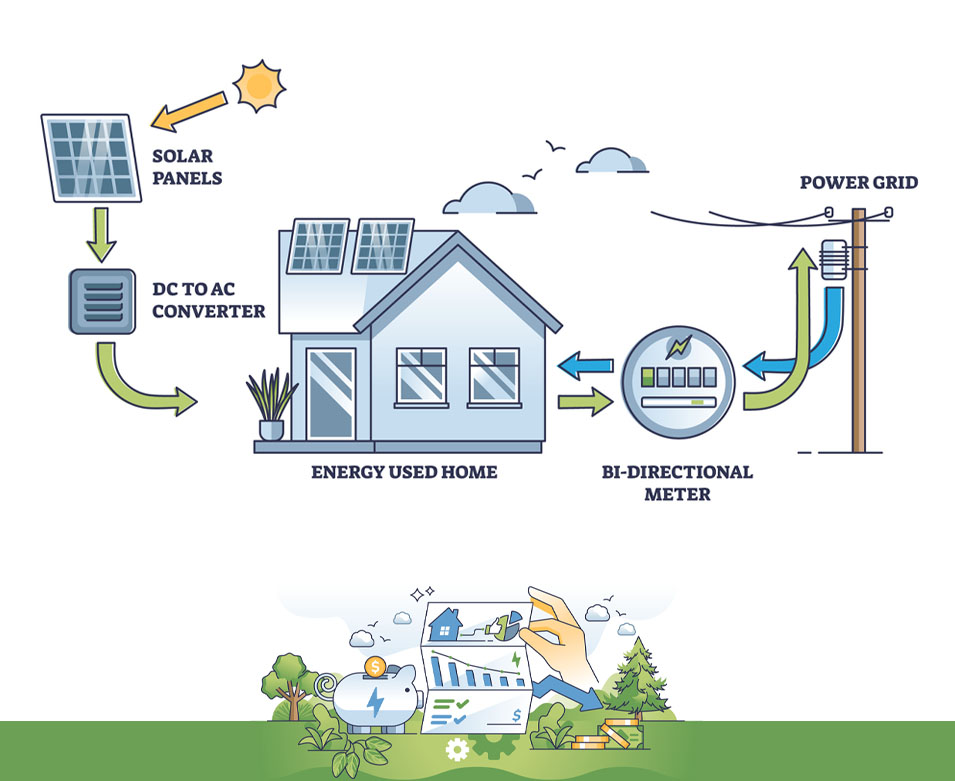
Communities with solar + BESS setups can sell excess electricity back to the grid, creating a revenue stream.
Ways to Sell Energy:
Net Metering: Offsets electricity costs by feeding surplus power into the grid. Grid Participation: In some cases, excess energy can be sold in wholesale energy markets or to energy aggregators.
Example: Some Ontario communities have installed solar + storage microgrids, earning credits on their utility bills for excess power.
Peak Shaving – Lowering Energy Costs for Community Buildings
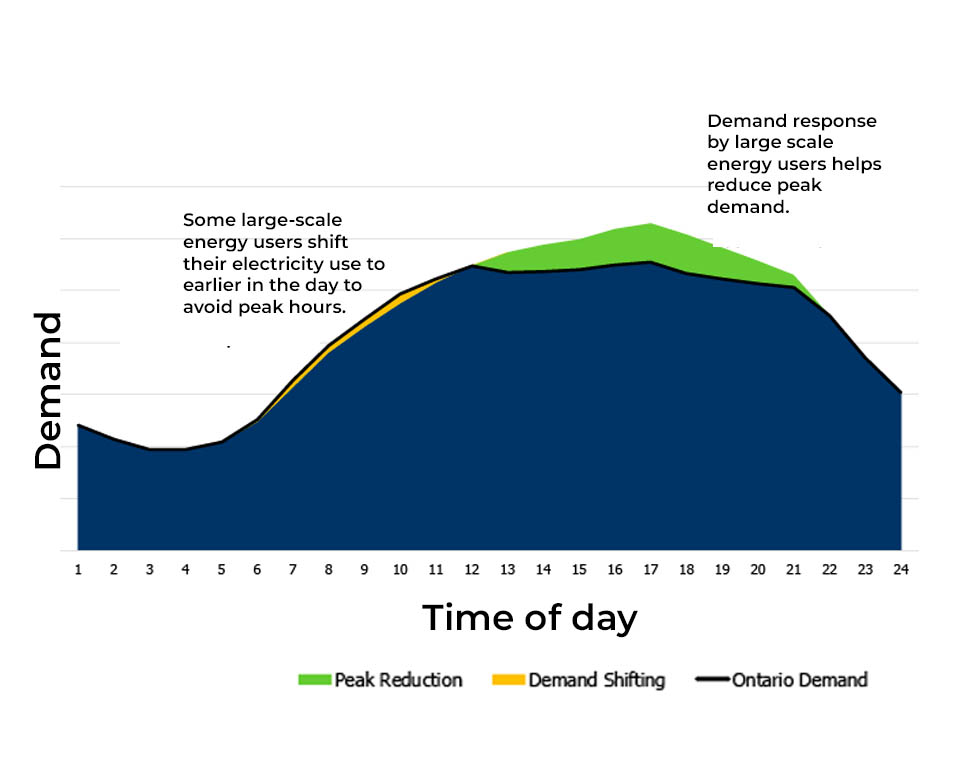
Peak shaving helps reduce demand charges, which can make up a large portion of electricity bills for band offices, schools, and health centers.
How It Works:
The battery charges during low-demand periods (when electricity is cheaper). During high-cost peak periods, the BESS discharges stored energy, reducing the need to pull expensive electricity from the grid. The community saves money by avoiding peak demand charges.
Example: A First Nations health center using BESS can lower its electricity costs by thousands of dollars per year, redirecting funds to healthcare services.
Building Partnerships with Utilities and Energy Aggregators
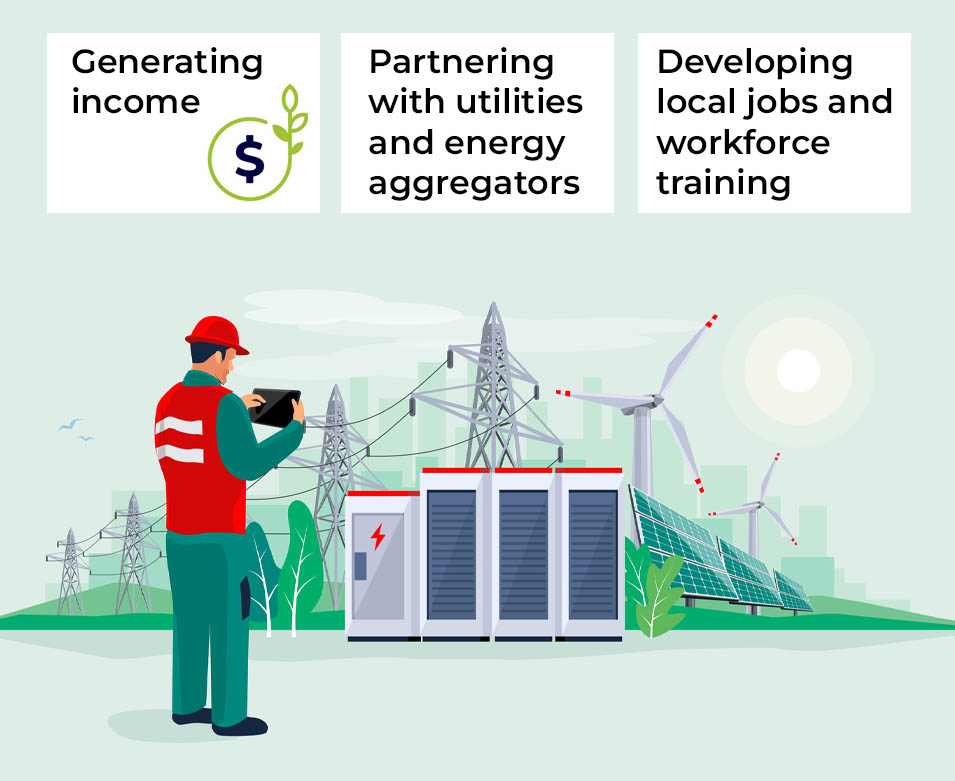
Partnering with utilities and energy aggregators allows Indigenous communities to maximize the economic benefits of BESS.
Why Partner?
Utilities may offer financial incentives for energy storage participation. Aggregators combine multiple BESS systems into a Virtual Power Plant (VPP), enabling communities to sell power at higher market rates. The community saves money by avoiding peak demand charges.
Example Partnership Models:
Power Purchase Agreements (PPA): The community sells stored energy at fixed prices. Grid Stability Contracts: Utilities pay communities for using BESS to support the grid. Energy Aggregation Programs: Multiple community BESS systems are pooled to create larger-scale energy market participation.
Creating Jobs and Training Opportunities in Clean Energy
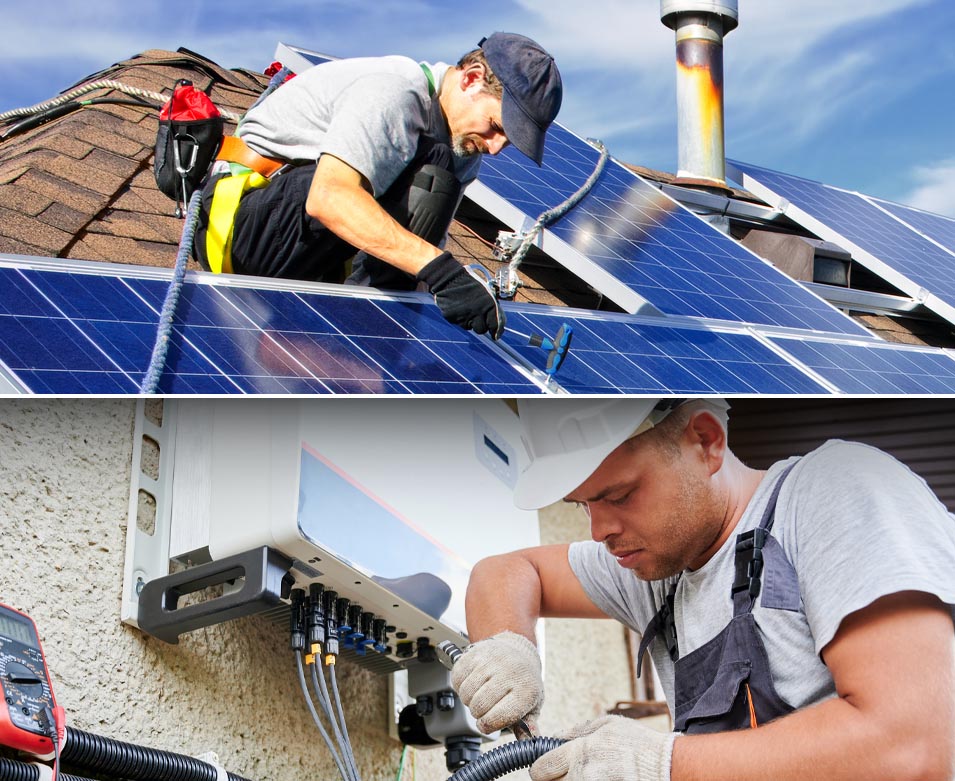
The clean energy transition presents job creation opportunities for Indigenous communities in battery storage, solar power, and grid management.
In-Demand Job Roles:
BESS Installation Technicians Renewable Energy Project Managers Battery Maintenance Specialists Microgrid Operators
Training Programs Available:
IESO’s IESP Capacity Building Programs Trades & Apprenticeship Programs for Renewable Energy Government-Funded Training in Solar and Storage Technologies
Investing in workforce development ensures that community members benefit directly from clean energy projects.
Policy and Advocacy – Strengthening Indigenous Energy Leadership

Strong policy engagement ensures Indigenous communities benefit from energy regulations and funding opportunities..
Key Advocacy Areas: Expanding funding and incentives for Indigenous-owned storage projects. Ensuring equitable access to energy markets. Strengthening Indigenous participation in energy policy decision-making.
Ways to Get Involved: Join Indigenous Clean Energy networks. Participate in energy policy consultations with the government. Build coalitions with other First Nations to advocate for better energy programs.
Peak Shaving – Lowering Energy Costs review
What is the primary benefit of peak shaving for community facilities?
Beyond Batteries – The Next Chapter

SUBMODULE 3 Beyond Batteries –
The Next Chapter
Smart Grids – Decentralizing Energy Control
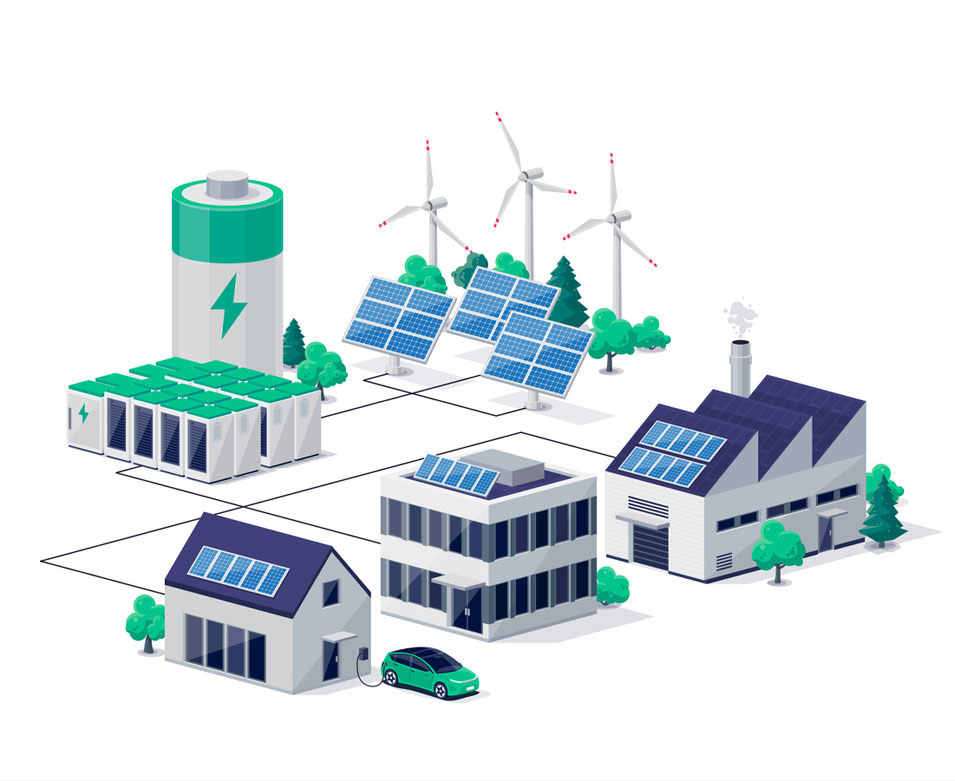
A smart grid is an advanced electricity network that uses automation and real-time communication to balance energy supply and demand.
How Smart Grids Work: Automatically adjusts power flow based on real-time energy demand. Connects distributed energy sources (solar, wind, batteries) across a region. Supports peer-to-peer energy trading, allowing communities to share and sell excess power.
Benefits for Indigenous Communities: Energy self-sufficiency – Communities control their own power distribution. Improved reliability – Fewer outages, better integration of renewables. Lower costs – Smart grids optimize electricity use, reducing bills.
The Role of AI in Energy Storage and Smart Grids
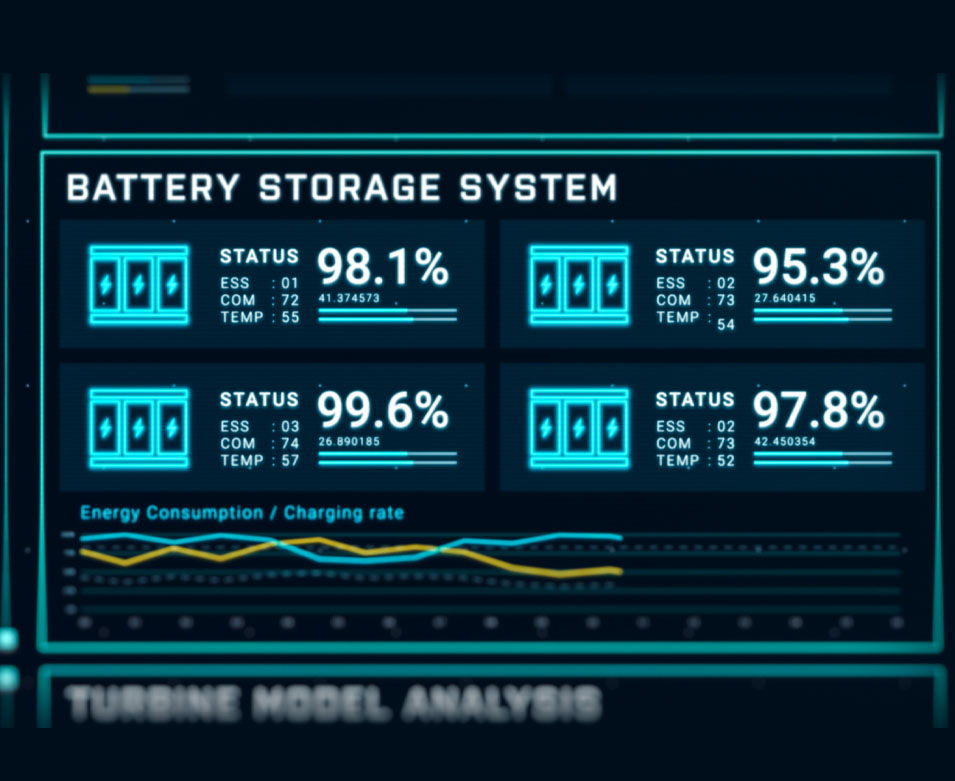
Artificial Intelligence (AI) is playing a growing role in optimizing battery storage and grid operations by predicting energy needs, managing loads, and improving efficiency.
How AI Enhances Energy Management:
Predictive Analytics: AI forecasts energy demand based on weather patterns and usage trends. Automated Battery Dispatch: Smart systems decide when to charge, store, or sell energy. Fault Detection & Maintenance Alerts: AI detects issues early, reducing downtime.
AI-powered systems make community energy storage smarter, reducing costs and increasing efficiency.
Hydrogen Storage – A Complementary Solution to Batteries
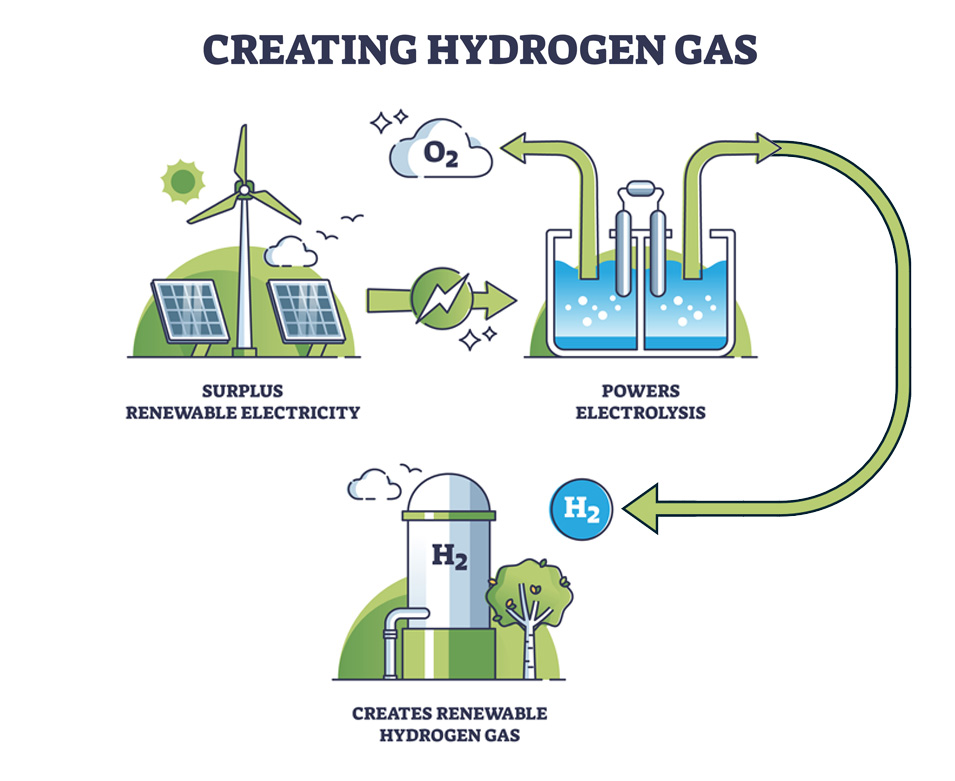
While batteries store energy for short-term use, hydrogen energy storage offers a longer-duration solution.
How Hydrogen Storage Works:
Excess electricity from renewables powers an electrolyzer, splitting water into hydrogen and oxygen. Hydrogen is stored and later converted back into electricity using a fuel cell when needed.
Key Advantages: Long-Term Energy Storage – Can store energy for weeks or months. Scalability – Works well for larger energy projects. Zero Emissions – Produces only water as a byproduct.
Communities exploring multi-day energy storage solutions may consider integrating hydrogen with BESS.
The Role of Blockchain in Energy Trading

Blockchain technology is emerging as a way for communities to track, trade, and certify renewable energy.
How Blockchain Benefits Energy Systems:
Enables peer-to-peer energy trading – Communities can sell excess power to neighbors. Ensures transparency and security – Every energy transaction is recorded digitally. Supports energy credits and incentives – Communities can earn and trade carbon credits.
Example: Some First Nations communities are testing blockchain-powered microgrids, allowing residents to trade solar energy directly with each other.
Summary – Preparing for the Future of Energy

Indigenous communities are leading the way in energy innovation and self-sufficiency. By adopting advanced storage solutions, AI-powered management, and hybrid energy systems, communities can:
Enhance energy resilience with BESS, smart grids, and hydrogen storage. Participate in emerging energy markets through blockchain and energy trading. Develop long-term energy roadmaps to align with sustainability and economic goals.. Leverage funding opportunities to support clean energy expansion.
The next chapter of Indigenous energy is community-driven, technology-enhanced, and focused on long-term sustainability.
Post-test
Answer these to see what landed. We’ll point you back to anything worth a second look.